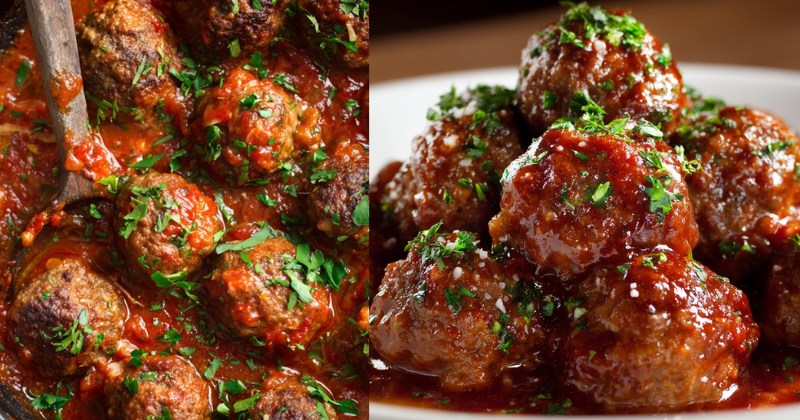
A good meatball is a simple thing done carefully. The mix, the bind, the shape, the cook — each step is straightforward, and none of them take long. These 7 easy recipes meatballs cover the full range of what this format can do: classic Italian, Swedish cream sauce, teriyaki glaze, spiced lamb, turkey and herb, buffalo chicken, and a vegetarian lentil version that holds its own alongside the rest. The technique is consistent across all seven. Learn it once and the variations follow naturally.
What Makes It Worth Making
- Meatballs make ahead and freeze without meaningful quality loss — cook a full batch and the work of one hour pays out across several weeks of dinners.
- The mix is forgiving. Meatballs tolerate variation in meat type, binder, and seasoning better than most preparations.
- These easy recipes meatballs scale directly — double the batch, use the same method, same timing.
- Every variation here works over pasta, in a sandwich, over rice, or on its own with a dipping sauce. One recipe, multiple dinners.
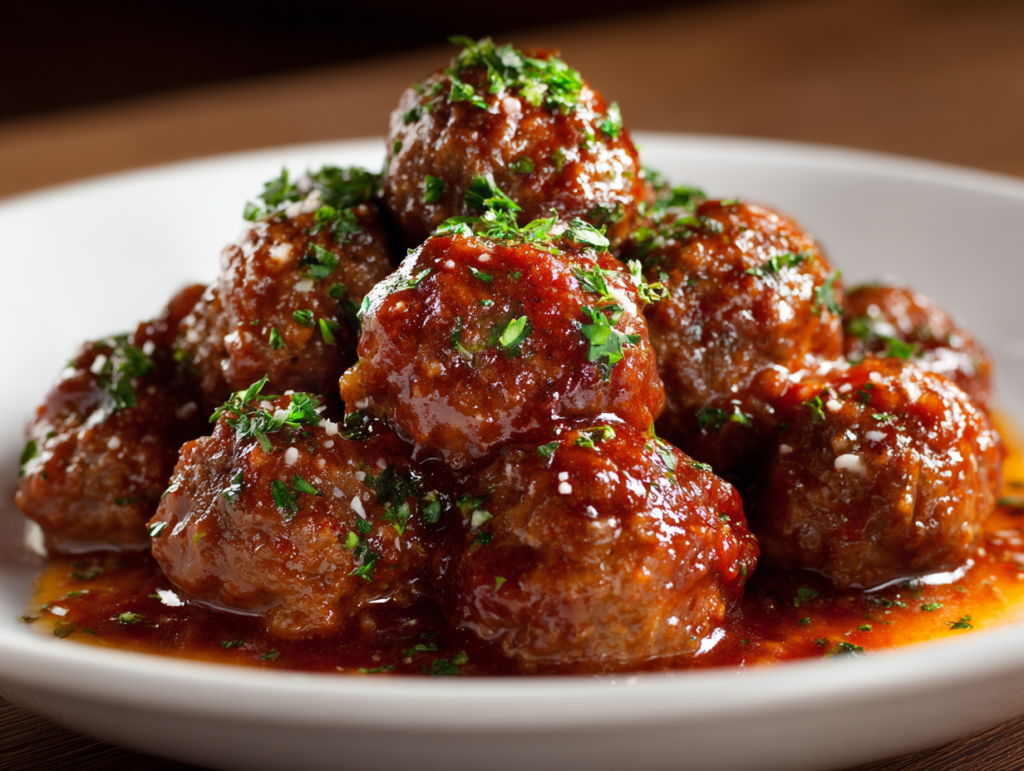
The Ingredients
The core pantry across all seven variations:
Ground meat: The primary variable. Ground beef (80/20) produces the richest, most forgiving meatball. Pork adds fat and sweetness. A beef-pork combination is the Italian standard for reason. Ground turkey is leaner and requires a little more fat elsewhere — olive oil in the mix, or a higher ratio of egg. Ground lamb has an assertive flavor that works in spiced preparations. Substitute freely between proteins with minor adjustments.
Breadcrumbs: The binder that keeps the meatball together and tender. Fresh breadcrumbs — torn bread soaked in milk — produce a softer texture than dried. Panko produces a lighter result. Plain dried breadcrumbs work reliably across all seven variations. For gluten-free: certified gluten-free breadcrumbs or cooked rice substitute directly.
Milk: Soaked into the breadcrumbs before mixing. This step — the panade — is what separates tender meatballs from dense ones. The milk-soaked bread creates pockets of moisture that keep the interior soft as the exterior browns.
Egg: One large egg per pound of meat. It binds the mixture and adds richness. Room temperature eggs incorporate more evenly than cold.
Parmesan (Italian and Swedish variations): Grated finely so it dissolves into the mix rather than sitting as chunks. It adds salt, umami, and fat simultaneously.
Garlic: Grated or very finely minced — not chopped. Visible chunks of garlic in a meatball cook unevenly. Grated garlic distributes through the mix and disappears into it.
Salt: One teaspoon per pound of meat is the baseline. Season the mix, not just the surface.
Fresh herbs or dried: Parsley in the classic Italian and turkey versions; dill in the Swedish; cilantro in the lamb. Add dried herbs sparingly — they are more concentrated than fresh and can overwhelm.
Olive oil or neutral oil: For pan-frying. Olive oil for Italian preparations; neutral oil for Asian-inspired and buffalo variations where olive oil flavor would compete.
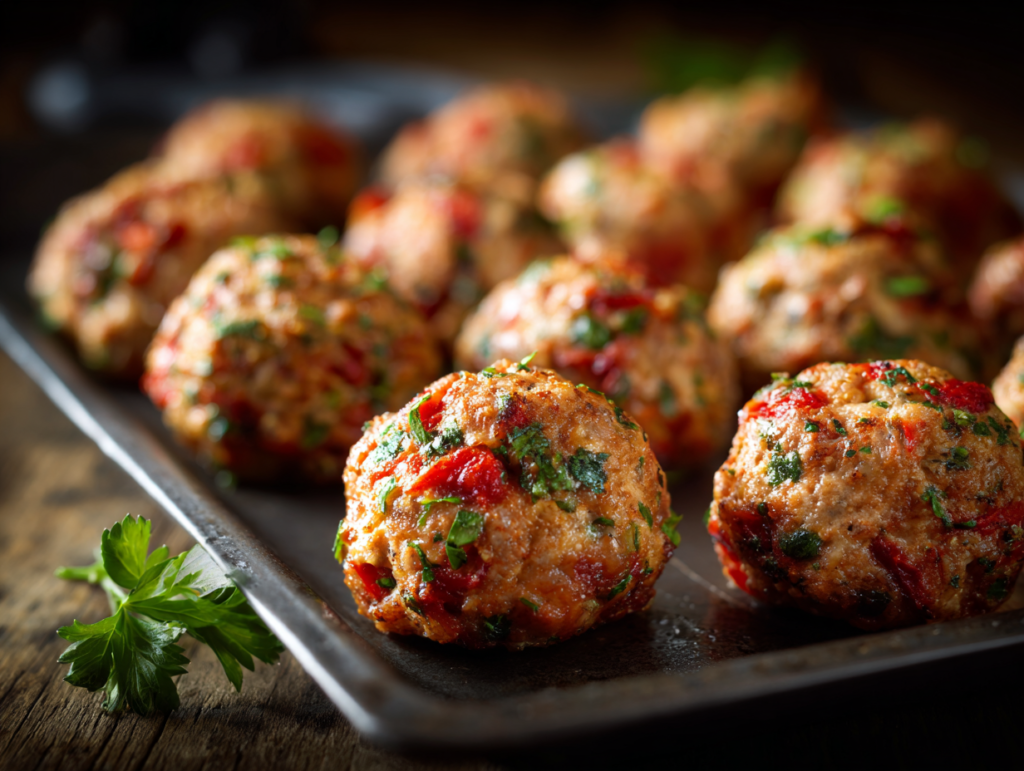
The 7 Variations: How to Make Each One
Standard method (applies to all 7):
Prep time: 15 min | Cook time: 15–20 min | Total time: 30–35 min | Serves: 4 (makes approximately 20 meatballs)
- Combine breadcrumbs and milk in a large bowl. Let soak 5 minutes until the breadcrumbs are fully saturated and soft.
- Add meat, egg, garlic, salt, pepper, and variation-specific seasonings. Mix with your hands until just combined — overworking the mix develops protein strands that make meatballs dense and tight. Stop when the ingredients are evenly distributed.
- Roll into balls, approximately 1.5 inches in diameter. Wet hands prevent sticking.
- Cook using the method specified below for each variation.
Variation 1: Classic Italian Meatballs in Marinara
Ingredients:
- 1 lb ground beef (80/20) + 1/2 lb ground pork
- 1/3 cup breadcrumbs soaked in 1/4 cup milk
- 1 egg
- 1/3 cup parmesan, finely grated
- 3 cloves garlic, grated
- 2 tbsp fresh parsley, chopped
- 1 tsp salt, 1/2 tsp pepper
- 2 cups good marinara sauce
- Mix using standard method.
- Brown in olive oil in a wide skillet over medium-high heat, 2–3 minutes per side. Don’t move them until they release easily.
- Transfer to a saucepan with warmed marinara. Simmer covered, 15 minutes.
- Serve over pasta or in a hoagie roll with provolone.
Variation 2: Swedish Meatballs in Cream Sauce
Ingredients:
- 1 lb ground beef + 1/2 lb ground pork
- 1/3 cup breadcrumbs soaked in 1/4 cup milk
- 1 egg
- 1/4 cup parmesan
- 2 cloves garlic, grated
- 1/4 tsp nutmeg
- 1/4 tsp allspice
- Salt and pepper
For cream sauce:
- 2 tbsp butter
- 2 tbsp flour
- 1.5 cups beef broth
- 1/2 cup heavy cream
- 1 tsp Worcestershire sauce
- Salt and pepper
- Mix using standard method with nutmeg and allspice added.
- Pan-fry in butter until browned on all sides — about 8 minutes total. Remove.
- In the same pan, melt remaining butter. Whisk in flour. Cook 2 minutes.
- Add broth gradually, whisking. Add cream and Worcestershire. Simmer until thickened — 3–4 minutes.
- Return meatballs to the sauce. Simmer 5 minutes. Serve over egg noodles.
Variation 3: Teriyaki Glazed Meatballs
Ingredients:
- 1.5 lbs ground beef or pork
- 1/3 cup panko soaked in 2 tbsp soy sauce + 2 tbsp water
- 1 egg
- 2 cloves garlic, grated
- 1 tsp fresh ginger, grated
- 2 green onions, finely sliced
- Salt
For glaze:
- 1/4 cup soy sauce
- 2 tbsp mirin
- 1 tbsp sake or dry sherry
- 1 tbsp honey
- 1 tsp cornstarch dissolved in 1 tbsp cold water
- Mix using standard method, with panko soaked in soy-water mixture.
- Bake on a parchment-lined sheet pan at 425°F for 15 minutes.
- Simmer glaze ingredients in a small saucepan until slightly thickened — 3 minutes.
- Toss baked meatballs in glaze. Serve over steamed rice with sesame seeds and green onion.
Variation 4: Spiced Lamb Meatballs with Yogurt Sauce
Ingredients:
- 1.5 lbs ground lamb
- 1/4 cup breadcrumbs soaked in 3 tbsp milk
- 1 egg
- 3 cloves garlic, grated
- 1 tsp cumin
- 1/2 tsp cinnamon
- 1/4 tsp cayenne
- 2 tbsp fresh mint or parsley
- Salt and pepper
For yogurt sauce:
- 1 cup plain Greek yogurt
- 1 clove garlic, grated
- 2 tbsp lemon juice
- Salt
- Mix lamb with standard method plus spices.
- Pan-fry in neutral oil over medium-high heat, 3 minutes per side.
- Whisk together yogurt sauce ingredients.
- Serve meatballs over the yogurt sauce with warm pita and fresh herbs.
Variation 5: Turkey and Herb Meatballs
Ingredients:
- 1.5 lbs ground turkey
- 1/3 cup breadcrumbs soaked in 1/4 cup milk
- 1 egg
- 2 tbsp olive oil (in the mix — turkey needs added fat)
- 3 cloves garlic, grated
- 2 tbsp fresh parsley
- 1 tbsp fresh thyme
- 1/3 cup parmesan
- Salt and pepper
- Mix with olive oil incorporated directly into the meat mixture.
- Bake at 400°F for 18–20 minutes. Turkey meatballs are fragile when raw; baking rather than pan-frying holds their shape.
- Internal temperature should reach 165°F.
- Serve in marinara, cream sauce, or simply with a lemon wedge and green salad.
Variation 6: Buffalo Chicken Meatballs
Ingredients:
- 1.5 lbs ground chicken
- 1/3 cup panko soaked in 3 tbsp milk
- 1 egg
- 2 cloves garlic, grated
- 1 tsp onion powder
- Salt and pepper
For buffalo sauce:
- 1/2 cup hot sauce (Frank’s or similar)
- 3 tbsp unsalted butter, melted
- 1 tsp honey
- Mix using standard method.
- Bake at 425°F for 15 minutes until cooked through.
- Whisk buffalo sauce ingredients together.
- Toss hot meatballs in buffalo sauce immediately.
- Serve with blue cheese or ranch dressing, celery sticks alongside.
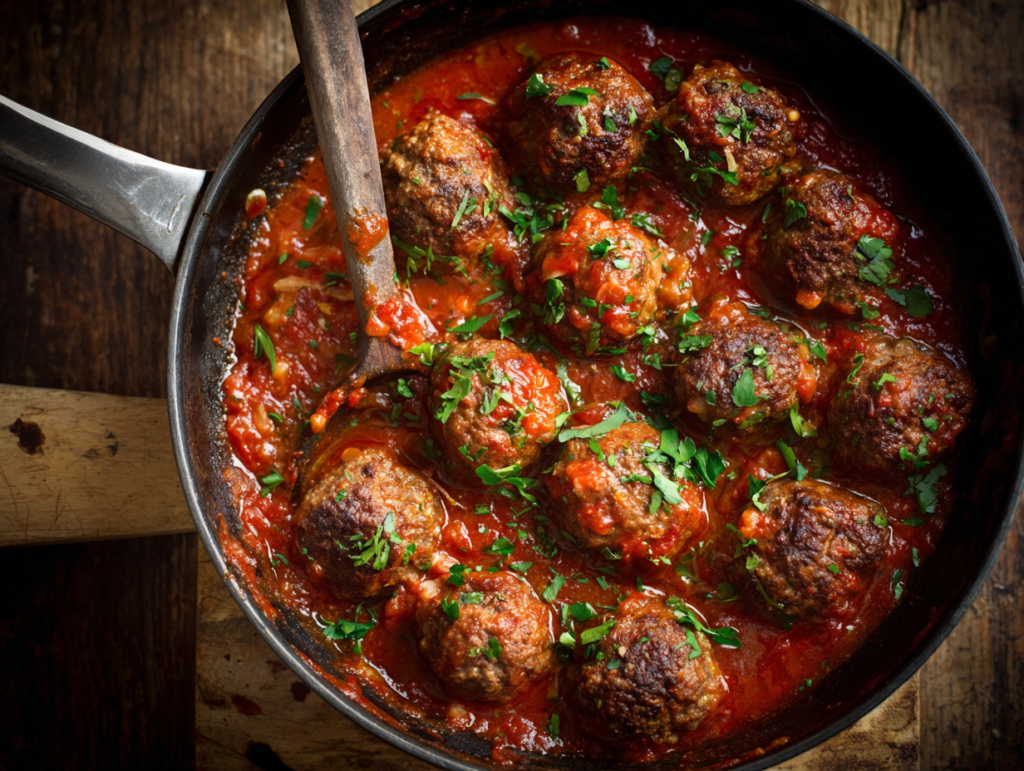
Variation 7: Lentil Meatballs (Vegetarian)
Ingredients:
- 1.5 cups cooked green or brown lentils, cooled and slightly mashed
- 1/2 cup breadcrumbs
- 2 eggs
- 1/3 cup parmesan or nutritional yeast
- 3 cloves garlic, grated
- 1 tsp cumin
- 1 tsp smoked paprika
- 2 tbsp olive oil (in the mix)
- Salt and pepper
- Mash lentils partially — some texture should remain.
- Combine all ingredients. The mixture will be softer than meat-based. Refrigerate 20 minutes before shaping — cold helps them hold together.
- Bake at 400°F for 20–22 minutes, turning once at the halfway point.
- They won’t brown like meat meatballs but will firm on the outside.
- Serve in marinara, over hummus, or in a pita with yogurt sauce.
A Few Things Worth Knowing
Don’t overwork the mix. Mix with your hands and stop when the ingredients are just combined. Overworking develops the proteins in the meat into a tight matrix that produces a rubbery, dense meatball. The mixture should feel cohesive but not elastic.
The panade matters. Breadcrumbs soaked in milk before mixing — not added dry — is the technique that separates tender meatballs from compact ones. The soaked breadcrumbs expand during cooking and push the meat proteins apart. Dry breadcrumbs absorb moisture from the meat and tighten the texture.
Don’t move them during searing. Place meatballs in a hot pan and leave them. They will stick at first and release when they’re ready to be turned — usually 2–3 minutes. Moving them early tears the crust. This step is easy to skip. Don’t.
The result is better cold the next day for every braised variation — Italian in marinara and Swedish in cream sauce both deepen overnight. Make them the day before and reheat gently in the sauce.
Wet your hands before rolling. Dry hands create friction and drag; damp hands produce smooth, round meatballs quickly. Keep a small bowl of water beside the work surface.
Freeze before or after cooking. Raw meatballs freeze well on a sheet pan and can be cooked directly from frozen with 5 extra minutes. Cooked meatballs freeze even better — already in sauce or plain, they reheat without meaningful texture loss.
How to Serve It
Classic Italian over rigatoni or spaghetti, with extra parmesan passed at the table.
Swedish in cream sauce over buttered egg noodles, with lingonberry jam alongside if you have it.
Teriyaki over steamed jasmine rice with pickled cucumber.
Spiced lamb over a pool of yogurt sauce, with warm flatbread and a cucumber-tomato salad.
Turkey meatballs in a light broth-based soup with white beans and greens — a less common application that works very well.
Buffalo chicken meatballs as an appetizer, served on a platter with toothpicks and dipping sauce alongside.
Lentil meatballs in pita with tahini, fresh herbs, and a squeeze of lemon.
For drinks: a glass of Chianti or Barbera alongside the Italian; sparkling water with the teriyaki; a cold lager with the buffalo variation.
Worth Noting Nutritionally
Meatballs built from 80/20 ground beef are calorie-dense — roughly 250–300 calories per four-meatball serving before sauce or accompaniments. Leaner proteins — ground turkey, ground chicken — reduce this by 30–40 percent with the same technique.
The lentil variation is the highest in fiber and the lowest in saturated fat. It is also the only variation that is naturally vegetarian and, with nutritional yeast substituted for parmesan, vegan.
All seven variations are naturally gluten-free with a certified gluten-free breadcrumb substitution. The technique doesn’t change.
These easy recipes meatballs are protein-forward meals. A four-meatball serving provides roughly 20–28 grams of protein depending on the protein used, which makes them a practical anchor for a balanced dinner.
A Few Questions
Why do my meatballs fall apart while cooking? Usually one of three causes: too little binder, the mixture was overhandled until it became greasy and loose, or the meatballs were moved too soon during pan-frying before a crust could form. Add the full amount of egg and soaked breadcrumbs, handle the mix minimally, and let the meatballs sit undisturbed in the pan until they release naturally. For particularly fragile variations — turkey, chicken, lentil — baking is more reliable than pan-frying.
How far ahead can I make these? The raw mixture can be made and refrigerated up to 24 hours before shaping and cooking — cold mixing actually improves texture slightly. Cooked meatballs keep refrigerated for four days in their sauce. For longer storage, freeze cooked meatballs in sauce for up to three months. Thaw overnight in the refrigerator and reheat gently over low heat.
Can I bake all seven variations instead of pan-frying some? Yes. Baking at 400–425°F for 15–20 minutes works for all seven and produces a more hands-off result with less oil. The exterior won’t develop the same crust as a properly seared meatball, but the interior texture will be identical. For the cream sauce and marinara variations, a brief pan-fry before transferring to sauce produces superior flavor — but baking and adding to sauce still produces a good result.
What’s the right size for a meatball? 1.5 inches in diameter — roughly the size of a golf ball — is the practical standard. Smaller meatballs cook faster but dry out more easily. Larger meatballs take longer to cook through and require careful monitoring to ensure the interior is done before the exterior over-browns. Consistency within a batch matters more than the exact size — uniform meatballs cook evenly; mixed sizes produce uneven results.
Pick one variation tonight and make it exactly as written — the second batch will be yours to adjust.