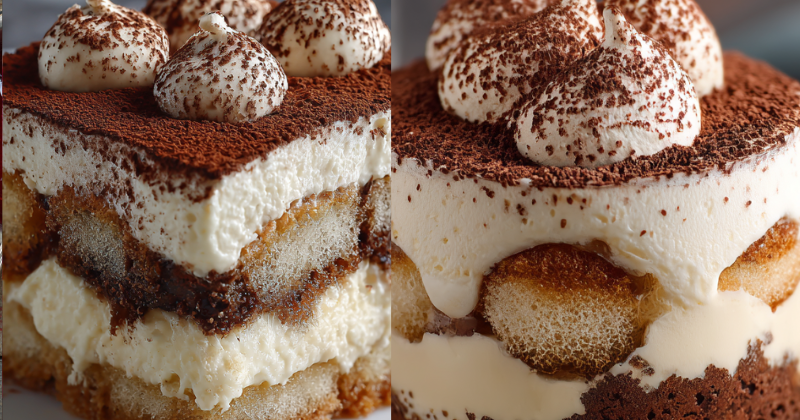
Some desserts arrive already finished. Tiramisu is one of them. The name translates roughly as « lift me up, » and the dish does exactly that — layers of espresso-soaked ladyfingers, mascarpone cream, and cocoa that come together into something greater than the sum of their parts. These 5 tiramisu recipes cover the range from the traditional to the quietly unexpected, all built on the same foundation: good coffee, good cream, and enough patience to let the refrigerator do its work overnight.
What Makes It Worth Making
- Tiramisu requires no baking and no special equipment — a bowl, a whisk or hand mixer, and a dish are all that’s needed.
- It improves significantly overnight. Make it the day before and it will be better than anything assembled the same day it’s served.
- The classic version uses five ingredients in the cream. The technique is simple enough to master on a first attempt and consistent enough to repeat without notes.
- All five variations here serve eight to ten people from a single 9×13 dish — one recipe, one evening of work, a dessert that handles a dinner party without division or complication.
The Ingredients
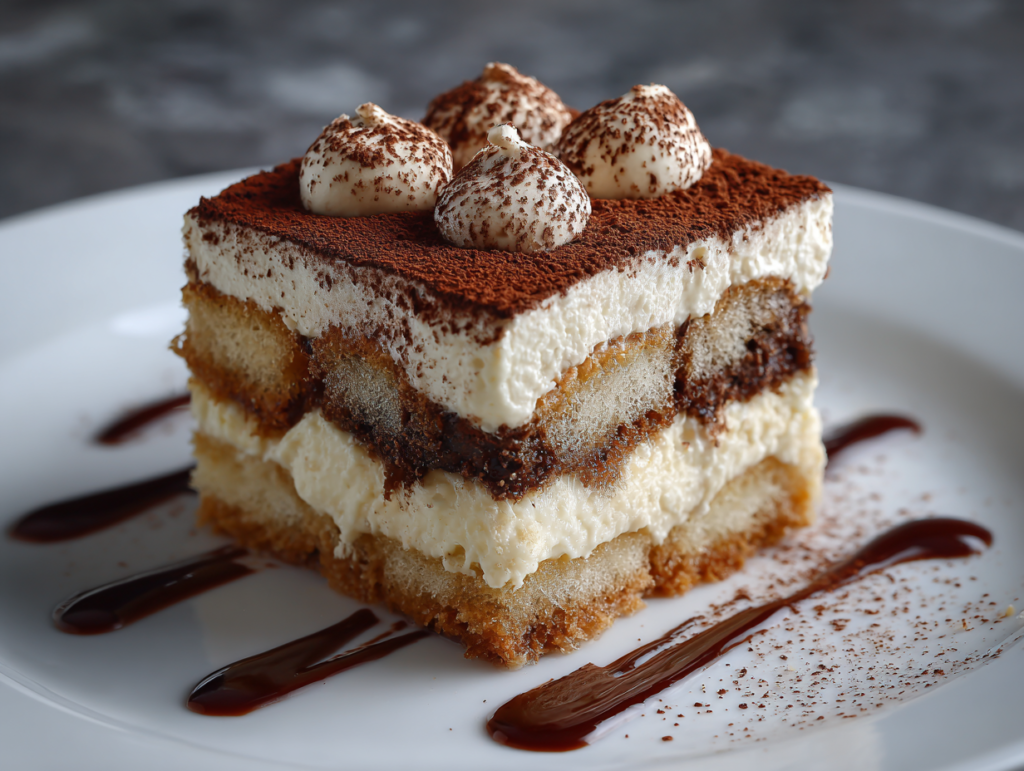
The pantry that makes all five tiramisu recipes work:
Mascarpone cheese: The defining ingredient. It is an Italian cream cheese with a higher fat content and milder flavor than American cream cheese — closer to a thick, lightly tangy whipped cream than a spreadable cheese. It should be at room temperature before use; cold mascarpone can break when beaten. Substitute: full-fat cream cheese blended with a few tablespoons of heavy cream produces a passable result with a slightly tangier flavor profile.
Eggs: Traditional tiramisu uses raw eggs — yolks beaten with sugar for richness, whites whipped to peaks for lightness. For those who prefer to avoid raw eggs, whipped heavy cream replaces the whites and a brief cooking of the yolks with sugar over a double boiler produces a safe, stable custard base. Both methods appear across these five recipes.
Heavy cream: Used in three of the five variations, either as a substitute for egg whites or in addition to them for extra richness. It should be cold when whipped — warm cream doesn’t hold peaks.
Sugar: Granulated or powdered, depending on the variation. Used to sweeten both the yolk mixture and any whipped components.
Espresso or strong coffee: The soaking liquid for the ladyfingers. Brewed espresso is traditional. Strong drip coffee works. Cold brew concentrate, diluted to a strong espresso-like intensity, also works well. The coffee should be at room temperature or cold before dipping — hot liquid makes the ladyfingers disintegrate rather than soak.
Marsala wine or coffee liqueur: Added to the espresso for the traditional version. Marsala is the classic; Kahlúa, Tia Maria, or Baileys each shift the flavor in different directions. A small amount — two to three tablespoons per batch — is enough. Omit for an alcohol-free version; the tiramisu is still excellent without it.
Savoiardi (ladyfinger biscuits): The structural element. They absorb the espresso and soften into something between a biscuit and a cake layer. Don’t soak them too long — a brief dip of one to two seconds per side is enough. Over-soaked ladyfingers collapse and produce a wet, dense layer rather than a cohesive one.
Unsweetened cocoa powder: The finish. Sifted over the top just before serving, or in layers between the cream. Use good Dutch-process cocoa for the deepest color and least bitterness.
Vanilla extract: Added to the mascarpone cream in every variation. One teaspoon per batch.
The 5 Tiramisu Recipes: How to Make Each One
Recipe 1: Classic Tiramisu (Traditional Method)
Prep: 30 min | Chill: 8 hours minimum | Total: 8 hours 30 min | Serves: 10
Ingredients:
- 6 egg yolks
- 3/4 cup granulated sugar
- 1 lb (450g) mascarpone, room temperature
- 6 egg whites
- Pinch of cream of tartar
- 1.5 cups brewed espresso, cooled
- 3 tbsp Marsala wine or coffee liqueur
- 40–44 savoiardi ladyfingers
- Unsweetened cocoa powder, for dusting
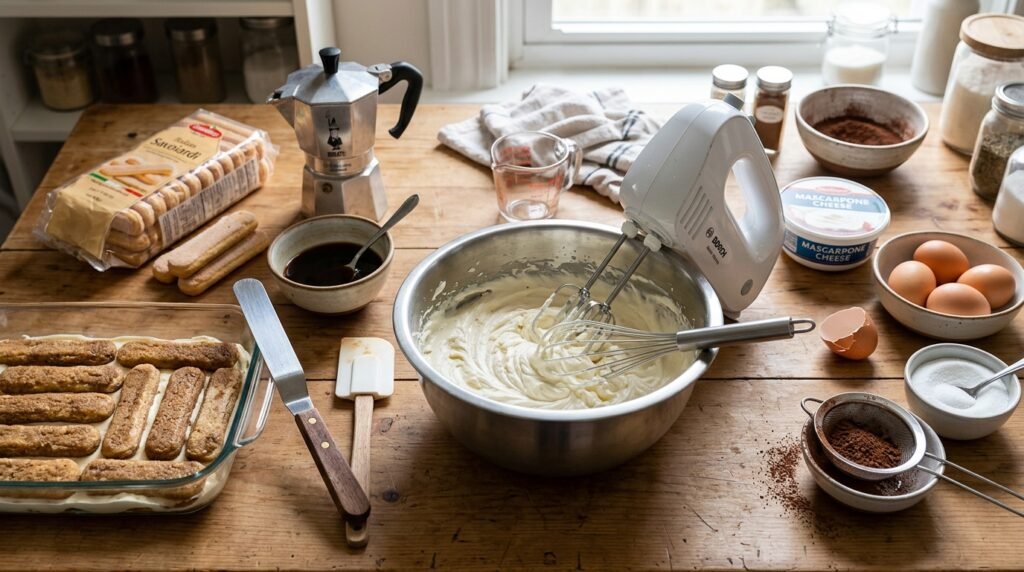
- Beat egg yolks and sugar in a large bowl with a hand mixer until the mixture is pale, thick, and falls from the beater in a slow ribbon — about 4 minutes. The color should shift from deep yellow to pale ivory. This stage is called the ribbon stage, and reaching it is what gives the cream its structure.
- Add mascarpone to the yolk mixture. Beat on low until just combined and smooth. Do not overbeat — mascarpone can break and become grainy if worked too long.
- In a separate clean bowl with clean beaters, whip egg whites with cream of tartar to stiff peaks. The bowl must be completely free of fat or the whites won’t whip. A single drop of yolk will prevent the whites from reaching stiff peaks.
- Fold egg whites into the mascarpone mixture in three additions. Use a large spatula and long, slow strokes around the bottom and up through the center. The goal is to incorporate the whites without deflating them — the air they hold is what makes the cream light.
- Combine cooled espresso and Marsala in a shallow bowl.
- Working quickly, dip each ladyfinger in the espresso mixture for one second per side. They should be moistened but not saturated — if they feel soft and heavy immediately after dipping, the soak is too long. Arrange in a single layer in a 9×13 dish.
- Spread half the mascarpone cream over the ladyfinger layer. Smooth to the edges.
- Repeat with a second layer of dipped ladyfingers, then the remaining cream.
- Cover tightly with plastic wrap. Refrigerate at least 8 hours. Overnight is better — the layers consolidate and the flavors deepen into something unified.
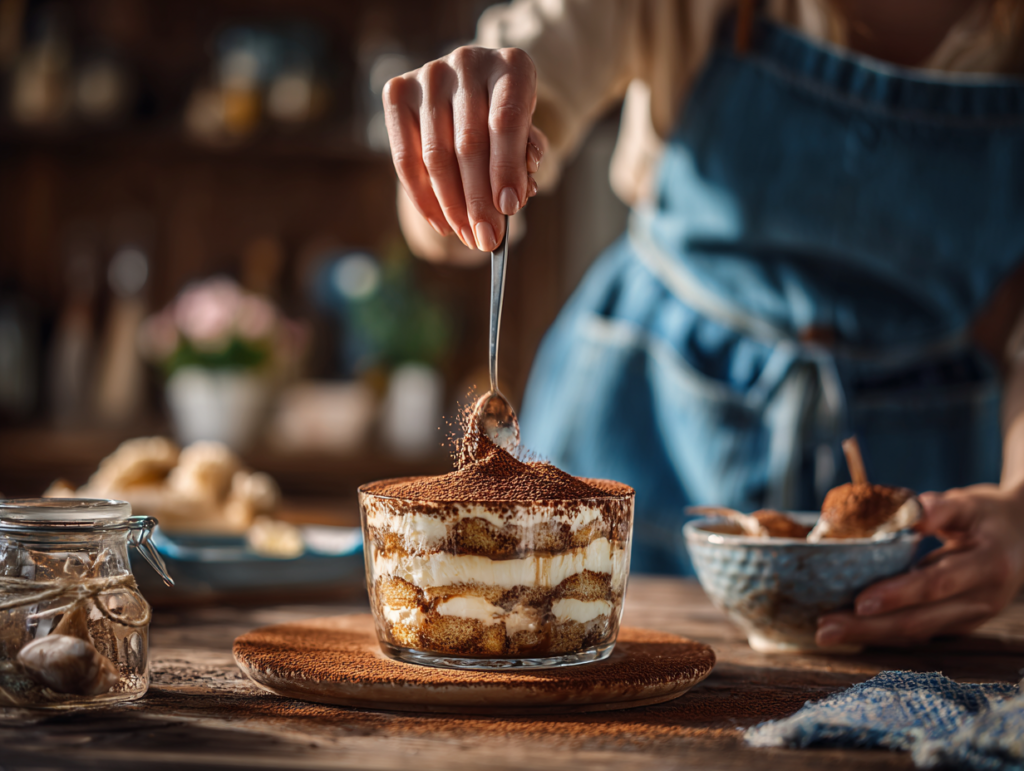
- Just before serving, sift a generous layer of cocoa powder over the surface through a fine mesh sieve. Cut into squares and serve cold.
Recipe 2: No-Raw-Egg Tiramisu (Cooked Yolk Method)
Prep: 35 min | Chill: 6 hours | Total: 6 hours 35 min | Serves: 10
Ingredients:
- 6 egg yolks
- 3/4 cup granulated sugar
- 1/4 cup water
- 1 lb mascarpone, room temperature
- 1.5 cups heavy cream, cold
- 1 tsp vanilla extract
- 1.5 cups espresso, cooled
- 2 tbsp coffee liqueur
- 40 savoiardi ladyfingers
- Cocoa powder, for dusting
- Combine egg yolks, sugar, and water in a heatproof bowl set over a pot of barely simmering water. The bowl should not touch the water.
- Whisk constantly over the double boiler until the mixture reaches 160°F and has thickened into a pale, thick custard — about 8 minutes. Remove from heat and continue whisking until cooled slightly.
- Beat mascarpone and vanilla into the cooled yolk mixture until smooth.
- Whip heavy cream to medium-stiff peaks in a separate bowl. Fold into the mascarpone mixture in three additions.
- Assemble as in the classic recipe. Refrigerate 6 hours minimum.
Recipe 3: Strawberry Tiramisu
Prep: 30 min | Chill: 6 hours | Total: 6 hours 30 min | Serves: 10
This variation replaces espresso with a strawberry soaking liquid and incorporates fresh berries between the layers — lighter, brighter, and particularly suited to summer.
Ingredients:
- 1 lb mascarpone, room temperature
- 1.5 cups heavy cream, cold
- 1/2 cup powdered sugar
- 1 tsp vanilla extract
- Zest of 1 lemon
For the soaking liquid:
- 1 cup strawberry juice (blended and strained fresh strawberries)
- 1 tbsp sugar
- 2 tbsp limoncello or orange juice
For the layers:
- 40 savoiardi ladyfingers
- 2 cups fresh strawberries, thinly sliced
- Cocoa powder or freeze-dried strawberry powder, to finish
- Beat mascarpone, powdered sugar, vanilla, and lemon zest until smooth. Whip heavy cream to medium peaks in a separate bowl. Fold together.
- Combine strawberry juice, sugar, and limoncello for the soaking liquid.
- Dip ladyfingers briefly in strawberry liquid. Arrange in a single layer.
- Spread half the cream. Lay a single layer of sliced strawberries over the cream.
- Add second layer of soaked ladyfingers, remaining cream, and more strawberries on top.
- Finish with a dusting of cocoa or freeze-dried strawberry powder — the latter produces a vivid pink surface that looks striking before the first cut.
- Refrigerate 6 hours minimum.
Recipe 4: Chocolate Hazelnut Tiramisu
Prep: 35 min | Chill: 8 hours | Total: 8 hours 35 min | Serves: 10
Ingredients:
- 6 egg yolks
- 3/4 cup sugar
- 1 lb mascarpone, room temperature
- 1 cup heavy cream, cold
- 1/3 cup chocolate hazelnut spread (Nutella or similar)
- 1 tsp vanilla extract
- 1.5 cups espresso, cooled
- 2 tbsp coffee liqueur
- 40 savoiardi ladyfingers
- Cocoa powder and chopped toasted hazelnuts, to finish
- Beat egg yolks and sugar to ribbon stage. Beat in mascarpone and vanilla until smooth.
- Warm hazelnut spread briefly in the microwave — 15 seconds — until just pourable. Fold into the mascarpone mixture.
- Whip heavy cream to medium peaks. Fold into the mascarpone mixture.
- Assemble with espresso-dipped ladyfingers as in the classic recipe.
- Finish with cocoa powder and a scatter of chopped toasted hazelnuts, which add both flavor and textural contrast against the soft cream.
Recipe 5: Lemon and Limoncello Tiramisu
Prep: 30 min | Chill: 6 hours | Total: 6 hours 30 min | Serves: 10
This version replaces espresso entirely with a lemon syrup and uses limoncello in the cream — the result is pale, bright, and suited to anyone who finds the original too coffee-forward.
Ingredients:
- 1 lb mascarpone, room temperature
- 1.5 cups heavy cream, cold
- 1/2 cup powdered sugar
- 3 tbsp limoncello
- Zest of 2 lemons
- 1 tsp vanilla extract
For the soaking liquid:
- 1 cup water
- 1/2 cup sugar
- Juice of 3 lemons
- 3 tbsp limoncello
For finishing:
- 40 savoiardi ladyfingers
- Lemon zest curls
- Powdered sugar, sifted lightly over the top
- Make the lemon syrup: combine water, sugar, and lemon juice in a small saucepan. Simmer 2 minutes until sugar dissolves. Remove from heat. Add limoncello. Cool completely before using.
- Beat mascarpone with powdered sugar, lemon zest, vanilla, and limoncello until smooth. Whip cream to medium peaks. Fold together.
- Dip ladyfingers briefly in the cooled lemon syrup — no longer than one second per side, as the syrup is thinner than espresso and soaks in faster.
- Assemble in two layers as in the classic recipe.
- Finish with a light dusting of powdered sugar rather than cocoa, and curl strips of lemon zest over the surface just before serving.
A Few Things Worth Knowing
Overnight is not optional, it is the point. Tiramisu assembled and served the same day is a collection of components. Tiramisu served after eight hours of refrigeration is a unified dessert in which every layer has absorbed and settled into the others. Set a timer if you need to, but don’t cut this short.
The dip timing is the most common mistake. One to two seconds per side — enough to moisten, not enough to saturate. A properly dipped ladyfinger feels slightly heavier than dry but still holds its shape. An over-soaked ladyfinger collapses immediately and produces a wet, dense layer that doesn’t improve with time. When in doubt, dip for less time than feels necessary.
Mascarpone at room temperature. Cold mascarpone beaten directly will often produce lumps or break into a grainy texture. Remove it from the refrigerator 30 minutes before you begin and the cream will come together smoothly without over-beating.
Beat the yolks fully to the ribbon stage. This is the step that cannot be rushed. Pale, thick, slow-falling from the beater — this is what gives the traditional cream its body. Under-beaten yolks produce a cream that is too loose to hold layers cleanly. Four minutes with a hand mixer at medium-high speed gets you there.
The cocoa goes on just before serving. Cocoa applied hours in advance absorbs moisture from the cream and turns from a dry, even dusting into something damp and uneven. Sift it on immediately before the dish goes to the table.
Cold espresso, always. Hot coffee in contact with mascarpone cream softens and in some cases partially melts it through the ladyfinger layer. Brew the espresso ahead and let it come to room temperature, or refrigerate it. Cool coffee also soaks into the ladyfinger more slowly, which gives you more control over the dipping time.
How to Serve It
Directly from the dish, cut into clean squares with a sharp knife wiped between each cut — the presentation is more composed when the layers show clearly at the edge of each portion.
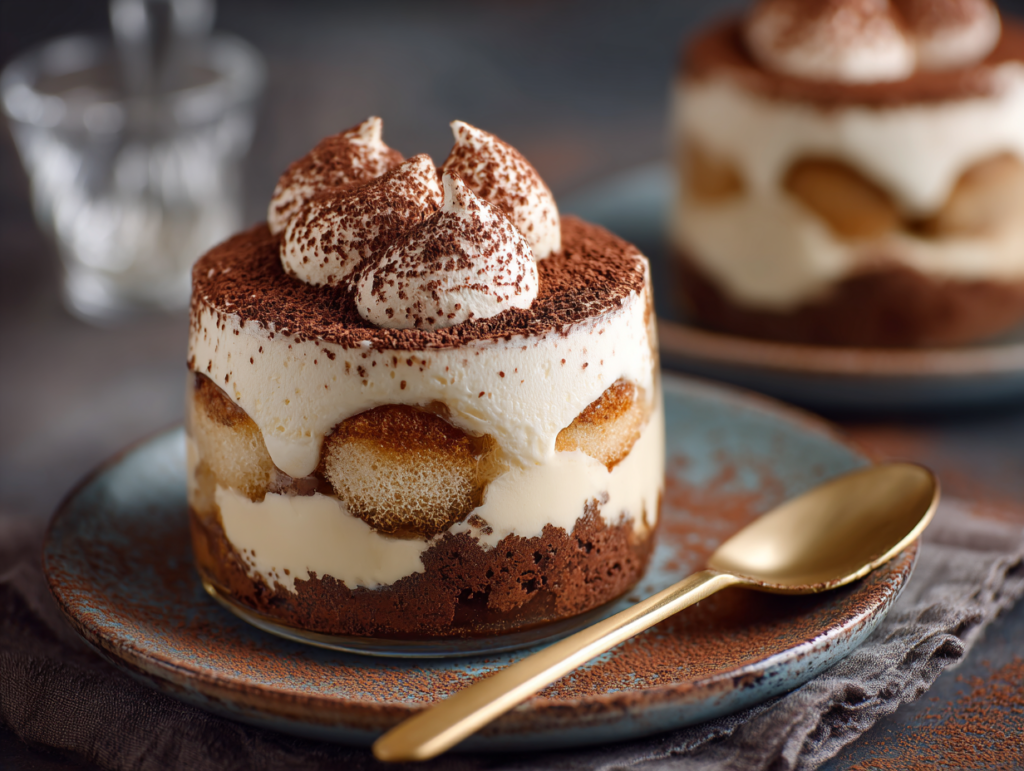
In individual glasses or ramekins, layered and served without cutting — a version that works well for dinner parties where plating at the table is impractical.
The strawberry variation on a summer afternoon table where something lighter and less coffee-forward feels appropriate.
The lemon limoncello version after a seafood dinner, where its brightness works as a natural closer.
The chocolate hazelnut variation for anyone who loves the original but wants something with more richness — it is the most indulgent of the five and the one that disappears fastest.
For drinks: a small glass of dessert wine alongside the traditional; espresso, served short and strong, for anyone who wants the full Italian experience; sparkling water with lemon beside the lighter fruit variations.
Worth Noting Nutritionally
Tiramisu is a dessert built on eggs, cream, and mascarpone — calorie-dense and fat-forward in the way that Italian cream-based desserts typically are. A standard serving contains roughly 400–500 calories depending on the variation and portion size.
The no-raw-egg version is the appropriate choice for pregnant women, young children, elderly guests, or anyone with a compromised immune system. The cooked yolk method produces a custard that reaches food-safe temperatures without meaningfully changing the flavor or texture of the finished dessert.
For a lighter result: reduce the mascarpone to three-quarters of a pound and increase the whipped cream proportionally. The cream will be slightly less rich and slightly less stable but still good. The structure holds if the refrigeration time is respected.
All five variations are naturally gluten-free if certified gluten-free savoiardi are used — these are available at specialty grocery stores and online. The cocoa, mascarpone, and cream components contain no gluten.
A Few Questions
Can I make tiramisu more than one day ahead? Yes — up to two days, covered tightly in the refrigerator. The texture actually continues to improve through day two as the layers consolidate further. By day three the ladyfingers can become too soft and the cream can begin to weep slightly at the edges. For best results, make it one day ahead and serve the next evening.
My cream is too loose. What went wrong? Most likely the mascarpone was too cold and then over-beaten trying to smooth it, which can cause it to break and release water. Or the egg whites weren’t beaten to full stiff peaks before folding. Or the cream was added to warm mascarpone, which prevents it from holding structure. All three produce the same result — a cream that doesn’t hold layers. If the cream is slightly loose, refrigerate the assembled dish for at least 10 hours rather than 8, and serve cold — it firms significantly as it chills.
Can I make individual portions instead of a full dish? Yes, and it’s a practical choice for a dinner party where serving from a large dish feels awkward. Use wide glasses, ramekins, or mason jars. Break ladyfingers to fit the width of the container rather than laying them whole. The assembly method is identical; the portions are simply smaller and self-contained. Individual portions also chill faster — 4 to 5 hours is sufficient rather than the 8 required for a full dish.
What’s the best coffee to use for soaking? Brewed espresso is traditional and produces the most intense, clean coffee flavor. If espresso is unavailable, double-strength drip coffee is the most practical substitute — use twice the grounds for the same amount of water. Cold brew concentrate diluted 1:1 with water also works well and has the advantage of being already cold when you need it. Instant espresso powder dissolved in hot water, then cooled, is a reliable pantry option. The one thing to avoid is weak drip coffee, which lacks the intensity to flavor the ladyfingers meaningfully once diluted by the cream.
Make the classic version first, give it the full overnight, and let the refrigerator do what time always does to a good tiramisu — turn something assembled into something made.