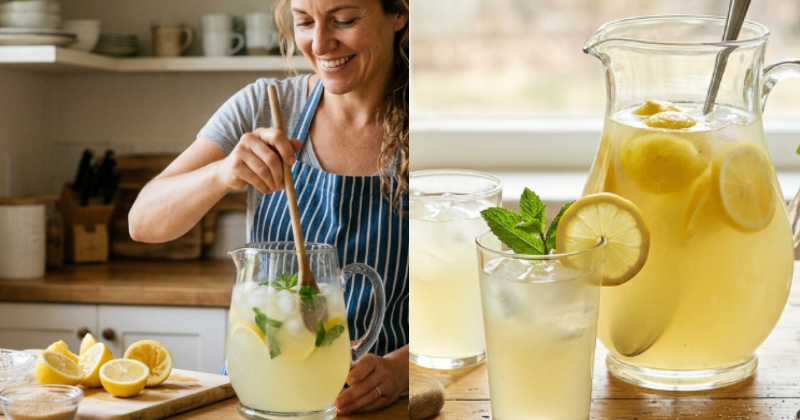
The heat of late August requires something precise. These must-have lemonade recipes before summer ends offer a clean, sharp pause in the afternoon. They rely on high-quality citrus and restraint rather than excessive sugar.
A great lemonade is not a complicated thing, but it requires balance. When the humidity peaks, a reliable beverage balances the heavy air. This collection focuses on three distinct expressions of fresh lemon juice: a classic porch style, an herbal infusion, and a salted version that restores what the sun takes away. Making them now catches the fruit at its most vibrant point before the season shifts.
What Makes It Worth Making
- The balance is adjustable.
- Cold-process simple syrup preserves the bright, unheated top notes of the citrus.
- Three elements—acid, sweet, and water—do the work of a dozen complex ingredients.
- They store beautifully in glass for up to four days.
The Ingredients
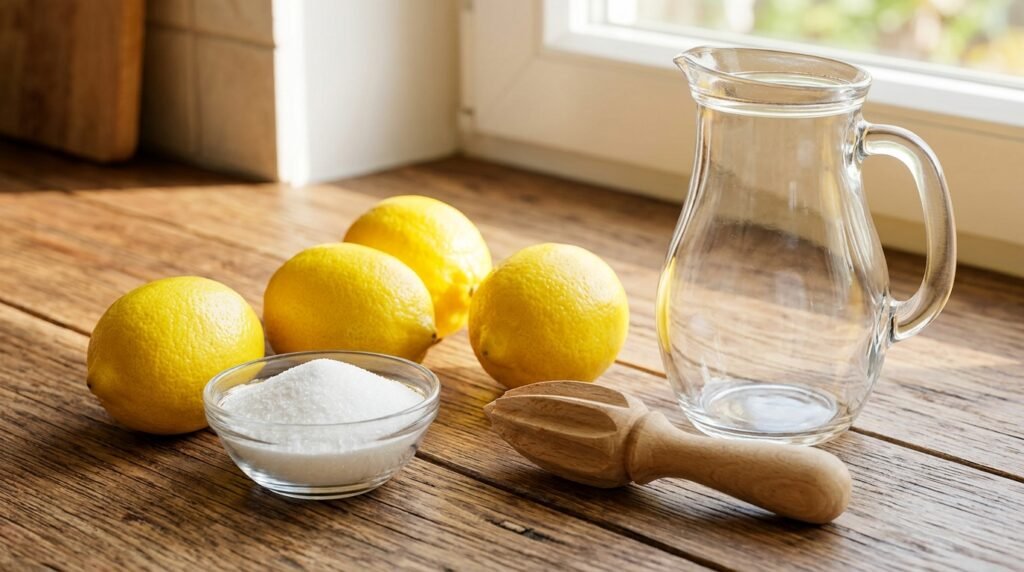
To achieve the best results with these must-have lemonade recipes before summer ends, choose heavy, thin-skinned lemons. They yield the most juice and contain less bitter pith.
- Fresh lemon juice: The core acid profile. Never use bottled juice; it lacks the volatile oils that define a true summer drink.
- Granulated cane sugar: Pure sweetness that dissolves cleanly into water without altering the flavor color.
- Fresh rosemary or basil: Optional herbal grounding. It cuts through the sharp fruit notes.
- Flaky sea salt: A mineral contrast. A small pinch heightens the natural brightness of the citrus oils.
- Filtered water: The canvas. High-quality water ensures the clean flavor of the lemon remains unclouded.
Honest Substitutions
If cane sugar is unavailable, light agave nectar works well at a one-to-one ratio. Avoid honey unless you want its distinct, heavy floral profile to dominate the finish.
How to Make It
Technical Specifications
- Prep time: 15 minutes
- Cook time: 5 minutes (for the simple syrup)
- Total time: 20 minutes
- Servings: 6 glasses per batch
Variation 1: The Classic Late-Summer Pitcher
- Measure 1 cup of granulated cane sugar and 1 cup of filtered water into a small saucepan.
- Heat over low, stirring constantly, until the sugar dissolves completely and the liquid is clear. Do not let it boil. Remove from heat and let cool.
- Juice 8 to 10 large lemons to yield exactly 1 cup of fresh juice. Strain out the seeds but leave a small amount of pulp if you prefer texture.
- In a large glass pitcher, combine the cooled simple syrup and the fresh lemon juice.
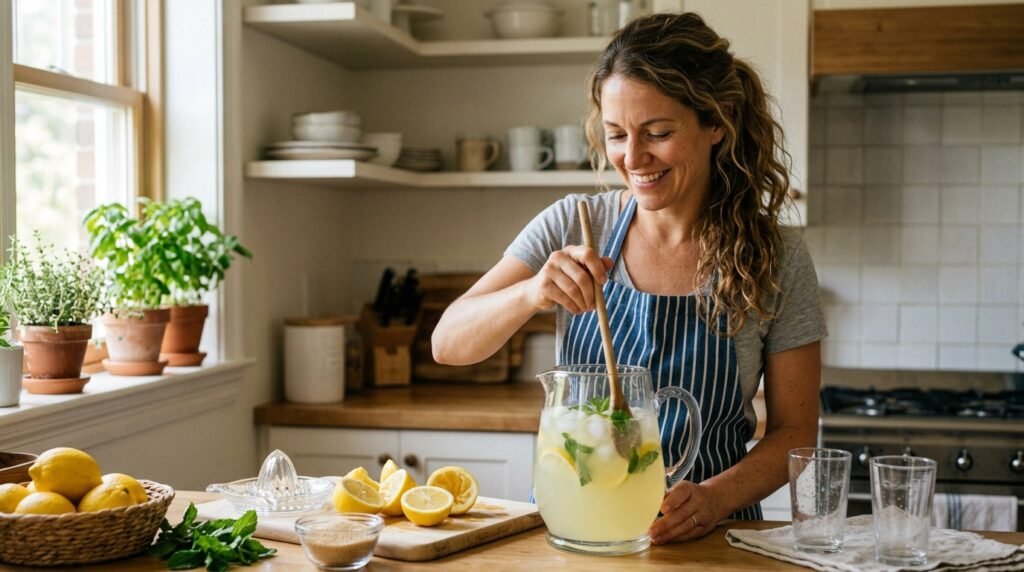
- Pour in 4 cups of cold filtered water. Stir slowly with a long spoon.
- Chill in the refrigerator for at least one hour before serving over cracked ice.
Variation 2: The Herb-Infused Lemonade
- Prepare the simple syrup as directed above, but add three bruised sprigs of fresh rosemary or a handful of torn basil leaves to the warm liquid.
- Let the herbs steep in the syrup for 30 minutes as it cools, then strain them out.
- Combine the herb-infused syrup with 1 cup of fresh lemon juice and 4 cups of cold water in your pitcher.
- Stir well and chill.
Variation 3: The Coastal Salted Lemonade
- Combine 1 cup of classic simple syrup and 1 cup of fresh lemon juice in a pitcher.
- Add 4 cups of cold water.
- Whisk in one-quarter teaspoon of high-quality flaky sea salt until completely dissolved.
- Serve cold to enhance hydration on the hottest days.
A Few Things Worth Knowing
This step is easy to skip. Don’t roll the lemons firmly against your counter before cutting them. This breaks the juice vesicles inside and ensures you get every drop of liquid from the fruit.
The result is better cold the next day. As the mixture sits in glass, the acid and sugar integrate completely, smoothing out the sharpest edges of the juice.
Do not add ice directly to the pitcher if you plan to store it. The melting ice dilutes the base formula, leaving you with thin, watery leftovers. Ice belongs in the individual glass, not the storage container.
Temperature matters when mixing. If you add cold juice to warm syrup, the mixture can become cloudy. Let the components come to a uniform temperature before combining them.
How to Serve It
- Pair with simple, salty snacks like olive-oil potato chips, salted almonds, or sharp white cheddar.
- Serve alongside grilled white fish or light summer pastas to cut through the richness.
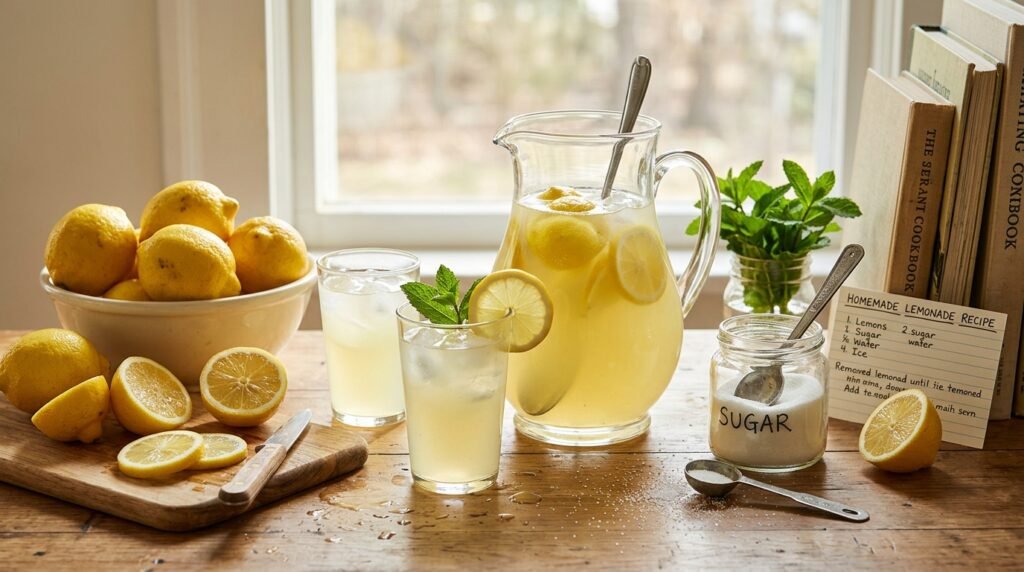
- Present the drink in clear, unadorned glassware with a single, thin wheel of fresh lemon floating on top.
- For an evening variation, a pour of dry gin or vodka integrates seamlessly into the herbal version.
Worth Noting Nutritionally
These drinks offer a direct dose of vitamin C from the fresh citrus juice. They are naturally gluten-free, vegan, and free from artificial dyes or preservatives.
To reduce the glycemic impact, the cane sugar can be replaced with an equal amount of monk fruit sweetener or stevia formulated for baking. The refreshing quality remains unchanged, though the mouthfeel will be slightly thinner without the body of the sugar syrup.
A Few Questions
How long will these fresh lemonades keep in the refrigerator?
Stored in an airtight glass bottle or a covered pitcher, the liquid remains fresh for up to four days. After the fifth day, the fresh juice begins to oxidize, losing its bright, vibrant top notes and turning slightly bitter. Always stir the mixture well before pouring, as the denser syrup elements can settle at the bottom over time.
Can I use a blender to juice the lemons faster?
Avoid putting whole peeled lemons into a blender. This processes the white pith and the central fibers of the fruit, which releases an intense, unpleasant bitterness that sugar cannot mask. Stick to a manual or electric citrus juicer to extract only the pure juice from the individual segments.
What is the best way to freeze this for later use?
You can freeze the concentrated base before adding the final four cups of water. Mix the fresh lemon juice and simple syrup together, then pour the mixture into silicone ice cube trays. Pop the frozen cubes into a freezer bag for up to three months, then melt them directly into cold water when ready to drink.
The simplest drinks are often the hardest to forget.