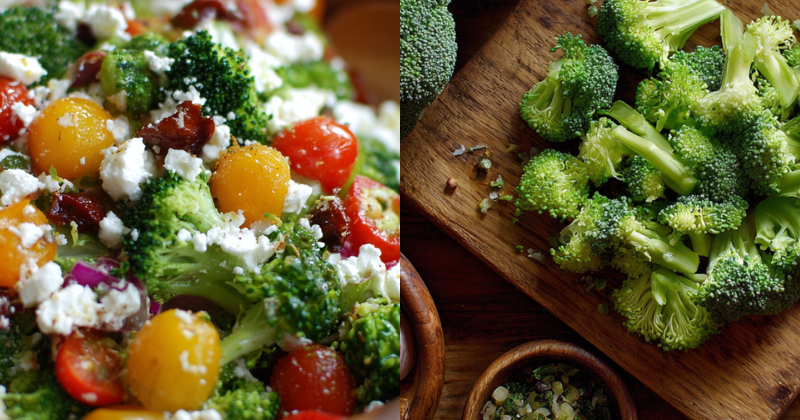
Broccoli has a reputation problem. These nine recipes solve it.
The issue is rarely the vegetable itself — it is what gets done to it. Overcooked, underseasoned, or served with nothing to soften its edges, broccoli loses. But in a well-built salad, with the right balance of fat, acid, and something sweet or salty alongside it, broccoli becomes the thing people reach for first. These 9 broccoli salad recipes proven to win over picky eaters work because they are built around that balance, not around hiding the broccoli.
Prep time: 10–15 minutes | Cook time: 0–5 minutes depending on recipe | Total time: 15–20 minutes (plus optional 30-minute chill) | Servings: 4–6 per recipe
What Makes It Worth Making
- Raw broccoli, cut small and dressed early, softens just enough without losing its structure. The texture is the point.
- These recipes keep well. Most improve after an hour in the refrigerator.
- The dressings do most of the work. A well-made dressing makes broccoli approachable to people who would otherwise refuse it.
- Nine variations means the same vegetable reads differently every time — creamy, bright, spicy, sweet, savory. None of them taste like obligation.
The Ingredients
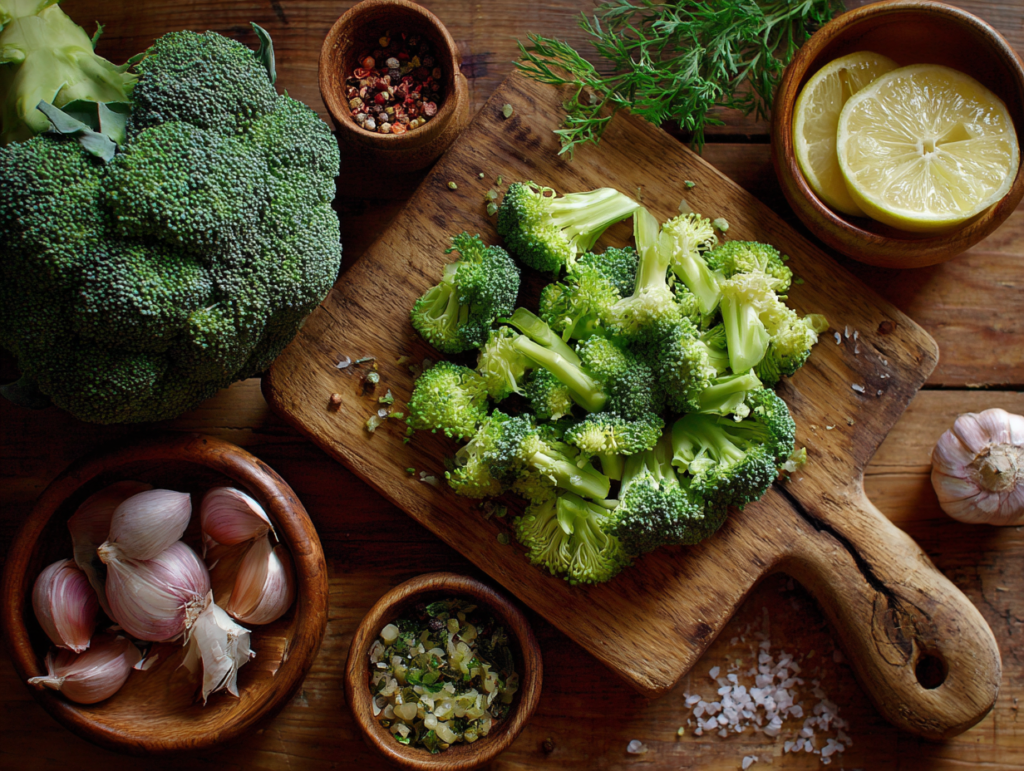
Fresh broccoli crowns (2 large heads, approximately 6 cups florets): The foundation of every recipe here. Cut into small, even florets — no larger than a quarter. Smaller pieces catch more dressing and are easier to eat, which matters for the picky-eater problem specifically. The stems are usable; peel and dice them thinly.
Mayonnaise (half cup, for creamy recipes): The base of four of the nine dressings. Full-fat only. It coats the florets evenly and carries the other flavors. Substitution: plain Greek yogurt produces a tangier, lighter result. Vegan mayo works 1:1.
Apple cider vinegar (2 tbsp, most recipes): Acid that cuts through the fat in creamy dressings and brightens the oil-based ones. Added to the dressing, not the broccoli directly.
Dijon mustard (1 tsp, several recipes): Emulsifier and flavor. It keeps oil-based dressings from separating and adds a quiet sharpness that reads as depth rather than heat.
Honey (1–2 tbsp, varies): Sweetness is the most reliable way to make broccoli salad approachable to resistant eaters. A small amount balances the acid without making the dressing cloying.
Sharp cheddar, cubed small (half cup, recipes 1 and 2): Fat and salt in one ingredient. Cubed rather than shredded — it holds its presence in the salad and does not dissolve into the dressing.
Bacon, cooked and crumbled (4 strips, recipes 1, 3, and 7): The most reliable picky-eater conversion tool in any broccoli salad. Cook until genuinely crisp, crumble finely, and add at serving rather than ahead of time to preserve the texture.
Sunflower seeds or pepitas (quarter cup, several recipes): Crunch without weight. Toast them dry in a skillet for two minutes first. The difference between toasted and untoasted is significant.
Dried cranberries or golden raisins (quarter cup, recipes 2, 4, and 6): Sweetness distributed throughout the salad. Cranberries are sharper; raisins are softer and milder. Both work.
Red onion, thinly sliced (quarter cup): Sharpness and color. Soak in cold water for five minutes to mellow the bite before adding. This step is worth doing for anyone who finds raw onion aggressive.
Fresh lemon juice and zest (1 lemon): Used in the lighter, oil-based dressings. The zest goes in last — it provides brightness that cooking or prolonged contact with acid diminishes.
Olive oil (3 tbsp, oil-based dressings): The fat base for the vinaigrette-style recipes. Use something with actual flavor, not a neutral oil.
Additional variation-specific ingredients are noted within each recipe below.
How to Make It
These instructions apply to all nine recipes. The base preparation is identical; the dressing and mix-ins change.
- Cut the broccoli into small, uniform florets. Aim for pieces no larger than a quarter. Peel the stems and slice them into thin half-moons. Include them — they are the same vegetable with a slightly different texture and they belong here.
- Blanch or leave raw — decide deliberately. Raw broccoli is crunchier and slightly more bitter. Blanched broccoli is softer and milder, which tends to work better for picky eaters. To blanch: boil salted water, add florets for 60 seconds, transfer immediately to ice water, drain thoroughly. Pat dry before dressing — excess water dilutes everything.
- Make the dressing in a separate bowl. Whisk the ingredients until fully combined. Taste it before it touches the broccoli. It should be slightly over-seasoned on its own — the vegetable will absorb and mellow it.
- Dress the broccoli 20 to 30 minutes before serving for creamy dressings. The rest time allows the florets to absorb the dressing and softens the raw edge slightly. For oil-based dressings, dress immediately before serving to preserve crunch.
- Add mix-ins last. Cheese, bacon, seeds, and dried fruit go in after the broccoli is dressed. Fold gently. Ingredients added too early get buried and lose their individual character.
- Taste and adjust before plating. More acid if it tastes flat. More salt if it tastes dull. More honey if it tastes harsh. These adjustments take thirty seconds and are almost always necessary.
The Nine Recipes:
- Classic Creamy Broccoli Salad: Mayo, apple cider vinegar, honey, sharp cheddar, bacon, red onion, sunflower seeds. The baseline. Works for every crowd.
- Cranberry Pecan Broccoli Salad: Mayo, Dijon, apple cider vinegar, honey, dried cranberries, toasted pecans, red onion. Slightly sweet, slightly sharp.
- Lemon Tahini Broccoli Salad: Tahini, lemon juice and zest, garlic, olive oil, warm water to thin, toasted pepitas, thinly sliced radish. Dairy-free and the most savory of the nine.
- Honey Mustard Broccoli Salad: Whole-grain mustard, honey, apple cider vinegar, olive oil, golden raisins, toasted sunflower seeds, thin-sliced celery. Bright and sharp.
- Bacon Ranch Broccoli Salad: Buttermilk ranch dressing (store-bought is fine here), bacon, shredded cheddar, chives, red onion. The most reliably popular with children.
- Asian-Inspired Sesame Broccoli Salad: Soy sauce, sesame oil, rice vinegar, honey, grated ginger, garlic, toasted sesame seeds, shredded carrots, scallions. Dress just before serving.
- BLT Broccoli Salad: Mayo, lemon juice, bacon, halved cherry tomatoes, romaine cut small, red onion. The tomatoes go in at the very end.
- Avocado Lime Broccoli Salad: Mashed avocado, lime juice, garlic, olive oil, jalapeño minced, cilantro, pepitas. Use immediately — avocado oxidizes within an hour.
- Greek Broccoli Salad: Olive oil, red wine vinegar, Dijon, dried oregano, kalamata olives, cherry tomatoes, cucumber, feta. The oil-based dressing keeps this one fresh longest.
A Few Things Worth Knowing
The result is better after 30 minutes in the refrigerator. Creamy dressings especially need time to penetrate the florets. Make it slightly ahead and the flavor improves.
This step is easy to skip. Don’t: toasting the seeds and nuts. Raw sunflower seeds taste flat; toasted ones taste intentional. Two minutes in a dry pan over medium heat is enough.
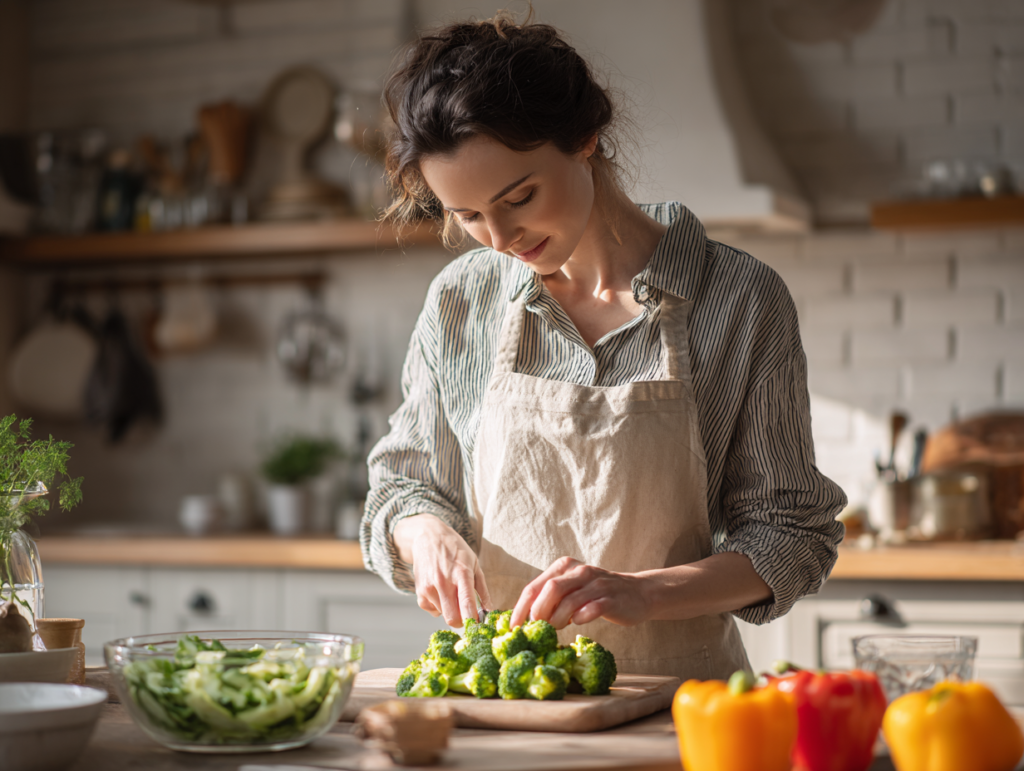
Cut size matters more than most people think. Large florets are hard to eat and carry less dressing per bite. Small, even pieces solve the texture problem and the flavor problem simultaneously.
Bacon added too early goes soft. If you are making the salad ahead, keep the bacon separate and fold it in at the table. Soft bacon in a cold salad is a different and worse ingredient.
The avocado recipe does not keep. Make it, serve it, finish it. It is not a next-day salad. Plan accordingly.
Blanching is the right call for hesitant eaters. Raw broccoli has a grassy bitterness that some people find off-putting. Sixty seconds in boiling water removes most of it without softening the vegetable into something limp.
How to Serve It
These work as a side dish alongside grilled protein, sandwiches, or burgers.
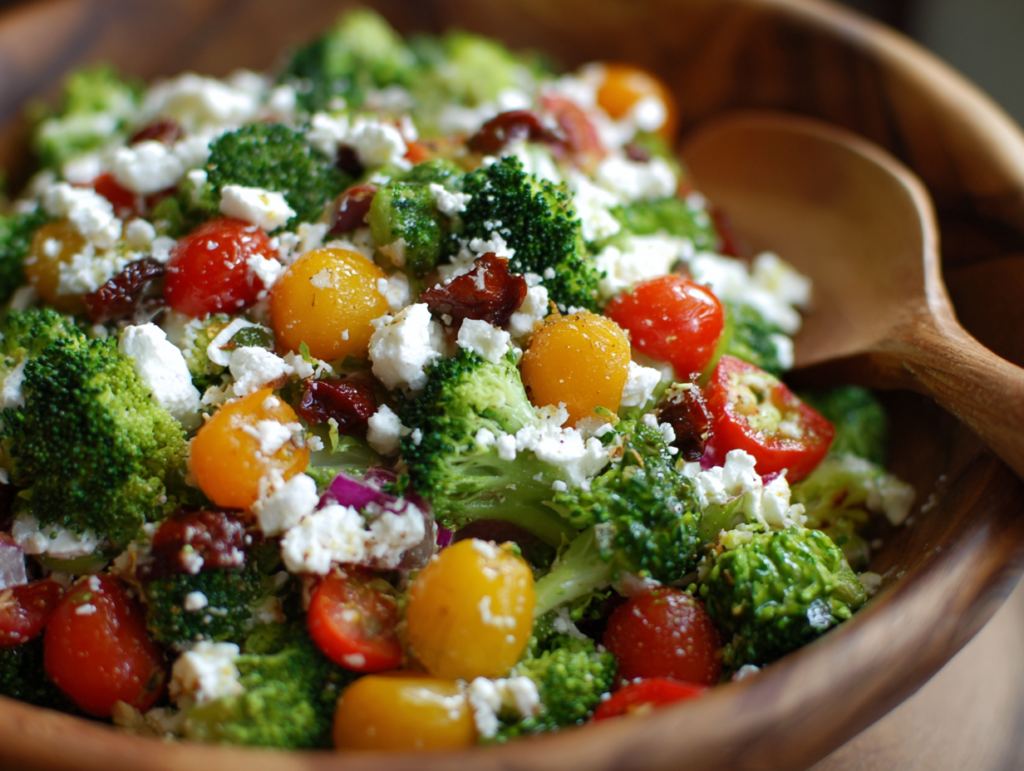
Serve in a wide, shallow bowl so the mix-ins are visible rather than buried. The visual is part of the appeal.
The Greek and Sesame variations work well as a standalone lunch with bread alongside.
For a composed plate: broccoli salad next to a simply roasted chicken thigh or a soft-boiled egg is a complete meal.
Drink alongside: sparkling water, iced tea, or a cold glass of something dry and white if the occasion calls for it.
Worth Noting Nutritionally
Broccoli is high in vitamin C, vitamin K, folate, and fiber. Two cups of raw florets provide more vitamin C than an orange. It is a genuinely nutritious vegetable that earns its place in a salad on those terms alone.
The creamy recipes are higher in fat and calories due to the mayonnaise base; the oil-based and tahini-dressed versions are comparable in fat but lower in saturated fat. Bacon adds sodium — noted without judgment, relevant if that matters to you.
For dairy-free preparation, omit cheddar and substitute vegan mayo. All nine recipes can be made gluten-free without modification. For vegan versions, omit bacon and honey — use maple syrup in place of honey and smoked almonds in place of bacon for a similar flavor dynamic.
A Few Questions
How far ahead can I make these? The creamy recipes hold well for up to two days refrigerated, with the exception of the avocado version, which should be made and served the same day. Oil-based dressings can be made days ahead and stored separately; dress the broccoli the day of. Bacon and crunchy toppings should always be added at serving.
My broccoli tastes too bitter even after dressing. What went wrong? Blanching solves this in almost every case. If you prefer raw broccoli, let the dressed salad rest for a full hour before serving — the acid in the dressing gradually mellows the bitterness. Salt also suppresses bitter flavor perception; a small additional pinch often resolves the issue.
Can I use frozen broccoli? Technically yes, but the texture will be softer and the salad will be wetter. Thaw completely, squeeze out excess moisture, and use in creamy dressings where some softness is acceptable. For crunchy, fresh-tasting results, fresh broccoli is the correct choice.
How do I scale these for a crowd? Every recipe here doubles cleanly. The only adjustment is the dressing — scale it to three-quarters of double and taste before adding more. A large batch of broccoli absorbs dressing more slowly than a small one, and over-dressed salad does not correct itself.
Start with whichever recipe sounds like the easiest sell. The rest will follow.