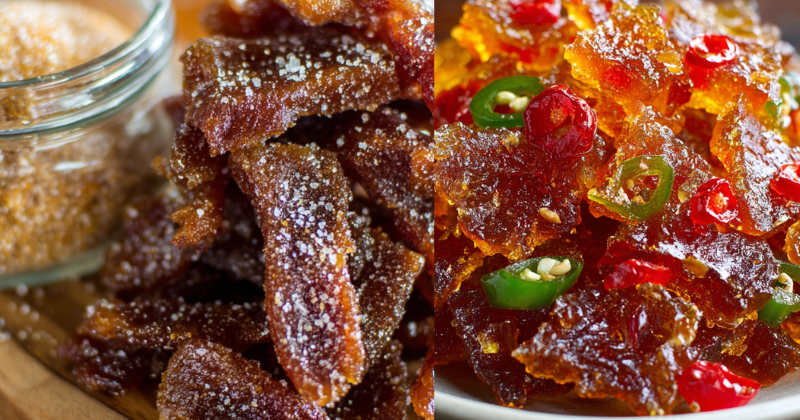
The classic cowboy candy recipe is good. This one is more useful.
Candied jalapeños have been a fixture in Southern and Southwestern kitchens for decades — sweet, fiery, and deeply addictive in the way that few condiments manage to be. The standard cowboy candy recipe works, but it has a tendency toward one-note sweetness that drowns the heat and makes every jar taste the same. This version recalibrates that balance. Less sugar, more complexity, a small handful of additions that make the jalapeños taste like themselves rather than like syrup with heat.
Prep time: 15 minutes | Cook time: 20 minutes | Total time: 35 minutes (plus 24-hour resting time) | Yield: approximately 4 half-pint jars
What Makes It Worth Making
- The heat stays present. Most cowboy candy recipes sugar the jalapeños into submission. This one does not.
- It keeps for months. A jar in the refrigerator improves over the first week and holds well for up to three months.
- The syrup is as useful as the jalapeños. Do not discard it.
- Four ingredients beyond the peppers do the work of a condiment that takes an hour to make anywhere else.
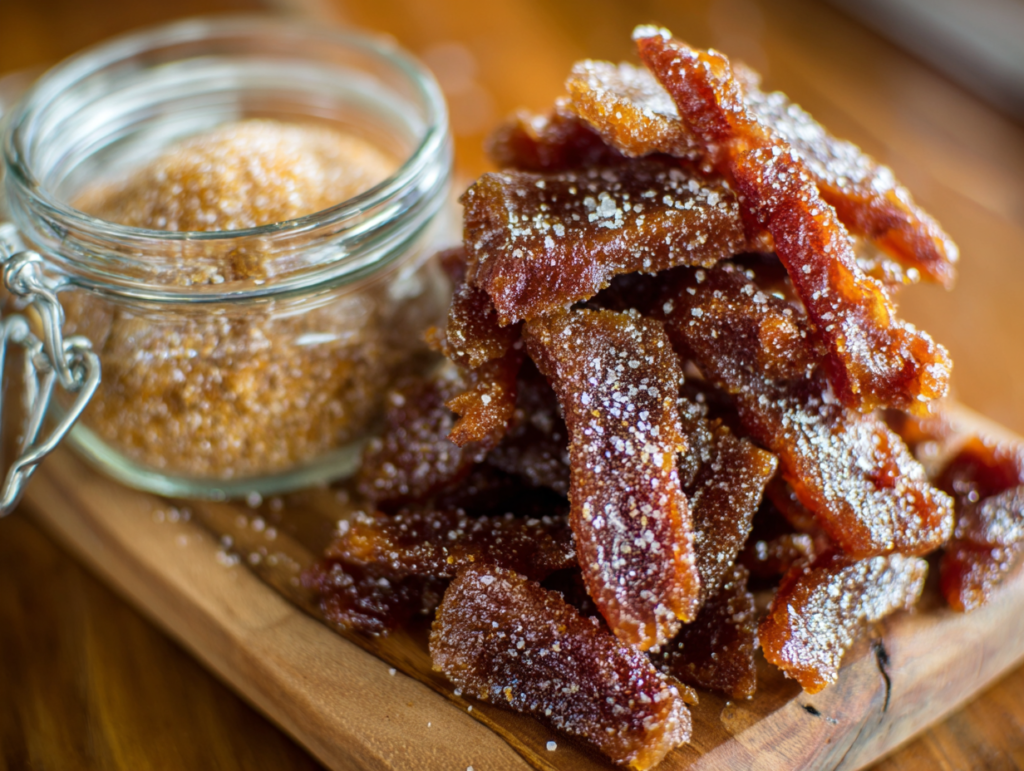
The Ingredients
Fresh jalapeños (3 lbs, sliced into quarter-inch rounds): The subject of the recipe. Wear gloves while slicing — the capsaicin transfers to skin and does not wash off easily. Uniform thickness matters for even cooking. Thinner slices absorb syrup faster; thicker ones retain more crunch.
Apple cider vinegar (1 cup): Acid and preservation. Apple cider vinegar has a slightly softer, fruitier edge than white distilled vinegar, which suits jalapeños better. White vinegar works as a substitution — the flavor is sharper and cleaner, less complex.
Granulated sugar (2 cups): Less than the standard cowboy candy recipe calls for. The reduction is intentional — it keeps the syrup from setting too thick and allows the pepper flavor to come through. Do not compensate by adding more.
Garlic powder (half tsp): Background depth. It disappears into the syrup and you will not taste it as garlic — you will taste something rounder than sugar alone.
Turmeric (quarter tsp): Color and a faint earthiness. Optional, but it gives the syrup a deeper amber tone that reads as more considered than the bright yellow of a standard recipe.
Celery seed (half tsp): The ingredient most cowboy candy recipes skip. It adds a quiet herbal bitterness that interrupts the sweetness in a useful way. Do not substitute celery salt — the sodium changes the balance.
Cayenne pepper (quarter tsp): Insurance. Jalapeños vary in heat considerably depending on the season and source. Cayenne ensures a baseline level of warmth regardless of the peppers themselves.
Red pepper flakes (half tsp, optional): Texture and visible heat in the finished jar. Add if you want the finished product to look as spicy as it tastes.
Substitution note: Serranos can replace up to half the jalapeños for more heat with a similar flavor profile. Banana peppers in place of jalapeños produce a much milder, sweeter result — a different condiment entirely but a good one.
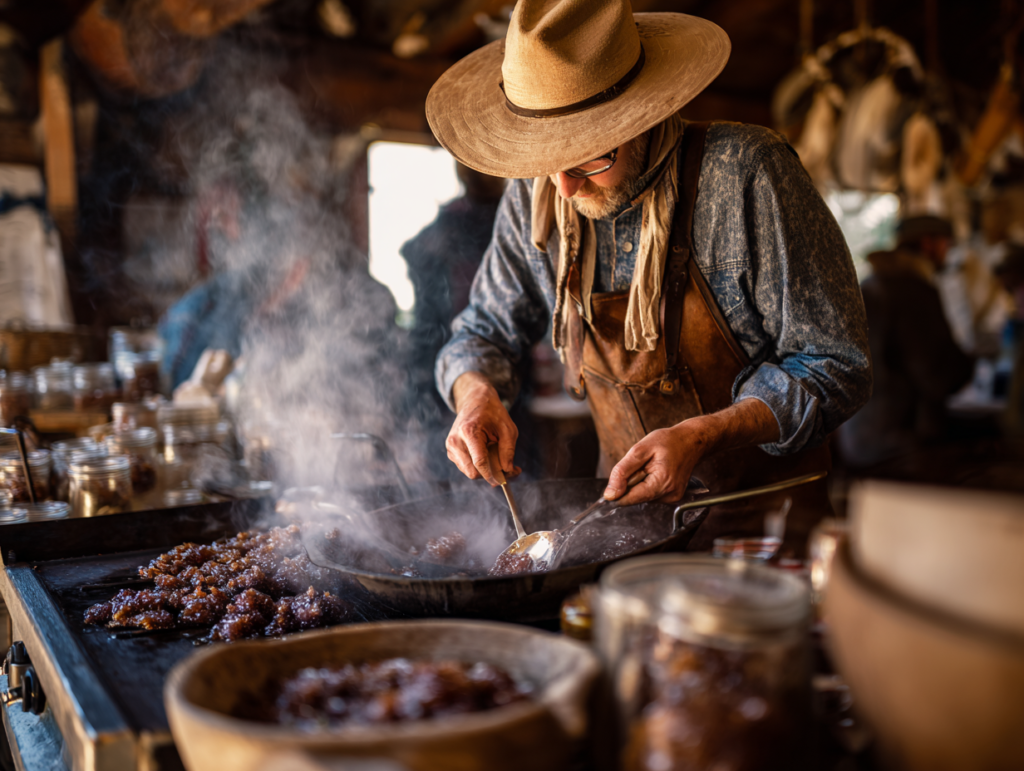
How to Make It
- Slice the jalapeños. Quarter-inch rounds, gloves on. Remove the stems; leave the seeds. The seeds carry heat and belong here. Discard any jalapeños that are soft or show dark spots.
- Combine vinegar, sugar, and spices in a medium saucepan. Whisk briefly to distribute the spices. Bring to a boil over medium-high heat, stirring until the sugar dissolves fully. This takes about three minutes. The syrup will look thin at this point. That is correct.
- Reduce to a simmer and cook for five minutes. The syrup will thicken slightly and turn a deeper color. Do not walk away — it can boil over with little warning once the sugar is fully dissolved and the heat is high.
- Add the jalapeño slices. Stir to coat. Return to a gentle boil, then reduce to a simmer. Cook for exactly four minutes. The jalapeños will change from bright green to a more olive, slightly translucent color. This is the visual cue that they are ready.
- Remove the jalapeños with a slotted spoon and pack them into clean jars. Pack them firmly but without crushing — you want them layered, not compressed.
- Return the syrup to medium-high heat and boil for five to six minutes until it thickens to the consistency of a loose maple syrup. It will continue to thicken as it cools, so pull it slightly before it looks done.
- Pour the hot syrup over the jalapeños in the jars, leaving a quarter inch of headspace. Tap the jars gently on the counter to release air bubbles. Wipe the rims and seal.
- Let cool to room temperature, then refrigerate. The cowboy candy recipe at this stage is technically ready, but the flavor improves substantially after 24 hours. The jalapeños absorb the syrup and the spices integrate. Waiting is worth it.
Note on canning: This recipe as written is for refrigerator storage. If you want shelf-stable jars, process in a boiling water bath for ten minutes. Use proper canning jars and confirm the seal before storing.
A Few Things Worth Knowing
The result is better after 24 hours. Freshly made cowboy candy tastes good. Day-two cowboy candy tastes like the recipe intended. The resting time is not optional if you want the full flavor.
This step is easy to skip. Don’t: boiling the syrup after removing the jalapeños. Underthickened syrup stays watery in the jar and does not coat the peppers properly when served. The extra five minutes changes the final texture significantly.
Gloves are not a suggestion. Slicing three pounds of jalapeños bare-handed means capsaicin on your hands for hours. It transfers to eyes, face, and anything else you touch. Disposable gloves cost very little. Use them.
The syrup is a condiment on its own. Drizzle it over cream cheese, use it as a glaze for grilled chicken, stir it into a vinaigrette. A jar of leftover syrup is not a byproduct — it is the second recipe.
Jalapeño heat varies more than most people expect. A pound of jalapeños in January may be almost mild; in August, the same quantity can be significantly hotter. Taste one raw before you start. Adjust cayenne accordingly.
Do not reduce the vinegar. The acid content is what makes refrigerator storage safe for up to three months. Recipes that reduce the vinegar for a milder flavor trade preservation for palatability. This one does not.
How to Serve It
On a cream cheese block with crackers — the standard presentation, still correct, still the fastest way to empty a jar at a party.
Layered into a burger between the patty and the bun. The sweetness and heat work against the fat in a way that makes the burger taste more considered.
Chopped and stirred into egg salad or potato salad. Small pieces, distributed throughout, not piled on top.
Alongside smoked brisket or pulled pork, where the acid and sweetness cut through the fat cleanly.
The syrup alongside: brushed onto grilled salmon in the last two minutes of cooking, or drizzled over a cheese board where something sticky and bright is needed.
Drink: cold beer, iced tea, or anything that can stand up to residual heat without competing with the sweetness.
Worth Noting Nutritionally
Jalapeños are high in vitamin C and contain capsaicin, which has documented anti-inflammatory properties in moderate amounts. The sugar content here is real and significant — approximately two teaspoons of sugar per tablespoon serving, comparable to most condiments and jams.
Served in the quantities a condiment is typically used, the sugar load is modest. The apple cider vinegar contributes trace amounts of acetic acid, which is the compound associated with the various metabolic benefits attributed to vinegar generally.
For a lower-sugar version, reduce the granulated sugar to one and a half cups and add a quarter cup of monk fruit sweetener to compensate. The syrup will be slightly thinner and the shelf life may be shorter — check for any signs of fermentation after two weeks. There is no meaningful modification for low-acid or low-heat versions; those changes alter what the recipe fundamentally is.
Naturally gluten-free and vegan as written.
A Few Questions
How long does this keep? Refrigerated in sealed jars, this cowboy candy recipe holds well for up to three months. The flavor peaks around day three and remains consistent through week six or seven, after which the jalapeños begin to soften noticeably. If you process the jars in a boiling water bath and achieve a proper seal, shelf-stable jars keep for up to one year stored in a cool, dark place.
My syrup is too thin after cooling. What went wrong? It was not reduced long enough in the final boil. The syrup should reach the consistency of loose maple syrup before it goes into the jars — remembering that it thickens further as it cools. If the cooled syrup is still thin, pour it back into a saucepan, boil for another three to four minutes, and re-jar. The jalapeños can stay in the jars while you do this.
Can I use other peppers? Yes. Serranos produce a hotter result with a similar flavor. A mix of red and green jalapeños makes a more visually interesting jar with no flavor difference. Fresno chiles produce a slightly fruitier, milder result and are worth trying if you want something a step below jalapeño heat. Habaneros in small quantities — no more than a quarter of the total weight — add genuine heat and a floral note that works well with the existing spice profile.
Do I need canning equipment? Not for refrigerator storage. Clean jars with tight-fitting lids are sufficient. If you want shelf-stable jars that do not require refrigeration, you need proper canning jars with two-piece lids, a large pot deep enough to cover the jars by at least an inch of water, and a rack to keep the jars off the pot bottom. The process is straightforward and worth learning if you plan to make this in quantity.
Make a batch this weekend. It will be better by Tuesday.