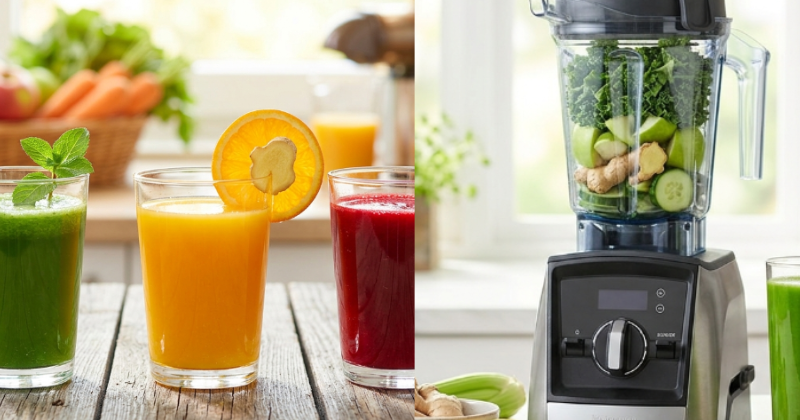
Fresh juice is a simple thing done well or done poorly. These seven do it well.
The 7 fresh summer juice recipes to reset your body this 2026 are built around produce that is genuinely good right now — watermelon, cucumber, citrus, ginger, beet, pineapple, and celery — and combinations that make each one distinct rather than interchangeable. No powders, no concentrates, no added sugar. Just fruit, vegetables, water where needed, and a juicer or blender. The reset the title promises is real, but it is quiet. Better hydration, more vitamins, less processed sugar than most drinks. That is the actual claim, and it holds up.
Prep time: 10 minutes | Juice time: 5 minutes | Total time: 15 minutes | Servings: 2 per recipe (approximately 16 oz each)
What Makes It Worth Making
- Fresh juice tastes categorically different from bottled. The difference is immediate and not subtle.
- Seven recipes means a different juice every day of the week without repeating an ingredient combination.
- The produce cost per serving is low. The nutritional return is high relative to that cost.
- These keep for 24 hours refrigerated without significant degradation — enough to make two servings in one session.
The Ingredients
Watermelon, 4 cups cubed (recipes 1 and 6): The highest water-content fruit used here. It juices effortlessly and produces a light, sweet base that pairs well with both citrus and mint. Seedless is easier; seeded works fine in a juicer.
Cucumber, 2 medium (recipes 2 and 4): Mild, hydrating, and low in sugar relative to fruit. It extends other juices without diluting their flavor. English cucumber has fewer seeds and a thinner skin — juice it unpeeled. Standard cucumber benefits from peeling first.
Fresh ginger root, 1–2 inch piece (five of seven recipes): Heat and depth in small quantities. A one-inch piece produces mild warmth; two inches is assertive. Peel it or leave the skin on — the juicer handles both, though peeled ginger is slightly less bitter.
Lemon and lime juice, freshly squeezed (most recipes): Acid that lifts and brightens everything it touches. Added after juicing the main ingredients so the brightness stays sharp rather than integrating into the base. Bottled citrus juice is a substitution, not an equivalent.
Beet, 2 medium raw (recipe 3): Earthy, sweet, and deeply colored. Raw beet juices well and has a more pronounced flavor than cooked. Wear gloves or be prepared for stained hands. Beet juice also stains cutting boards — use one you do not mind discoloring.
Celery, 6 stalks (recipe 5): High water content, mineral flavor, and a natural saltiness that makes the juice taste more complex than its ingredient list suggests. Juice it with the leaves — they add a slight bitterness that is useful.
Pineapple, 2 cups cubed (recipes 6 and 7): Bright, acidic, and naturally sweet. Fresh pineapple juices easily and adds a tropical character that works well with both ginger and mint. Canned pineapple in juice — not syrup — is a workable substitution, though the flavor is flatter.
Green apple, 2 medium (recipes 3, 4, and 5): Tart and high in natural sugar. It balances earthy vegetables — beet, celery, cucumber — without sweetening them into something cloying. Granny Smith is the correct variety here. Red apple produces a sweeter, less useful result.
Fresh mint, small handful (recipes 1 and 7): Added to the juicer or blended in with the other ingredients. It contributes a cooling quality that suits watermelon and pineapple particularly well. Substitution: fresh basil in the watermelon recipe produces a different but equally interesting result.
Turmeric, fresh 1-inch piece or half tsp ground (recipe 3): Anti-inflammatory and visually striking. Fresh turmeric is preferable — the flavor is brighter and less bitter than dried. It stains everything it contacts. Note accordingly.
Coconut water, half cup (recipes 5 and 7, optional): Used to thin juices that are too concentrated without adding the flatness of plain water. It contributes a slight sweetness and electrolytes. Plain water substitutes directly — the flavor difference is minor.
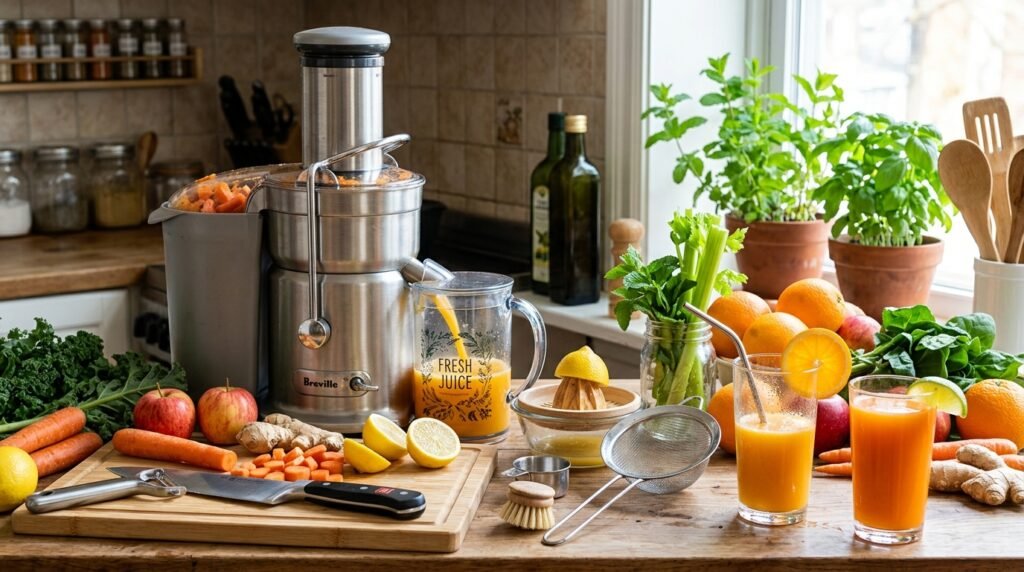
Note on equipment: A centrifugal or masticating juicer produces the cleanest results. A high-powered blender with a fine mesh strainer or nut milk bag works as an alternative for all seven recipes — blend on high, strain, press, discard pulp. The yield is slightly lower but the method is valid.
How to Make It
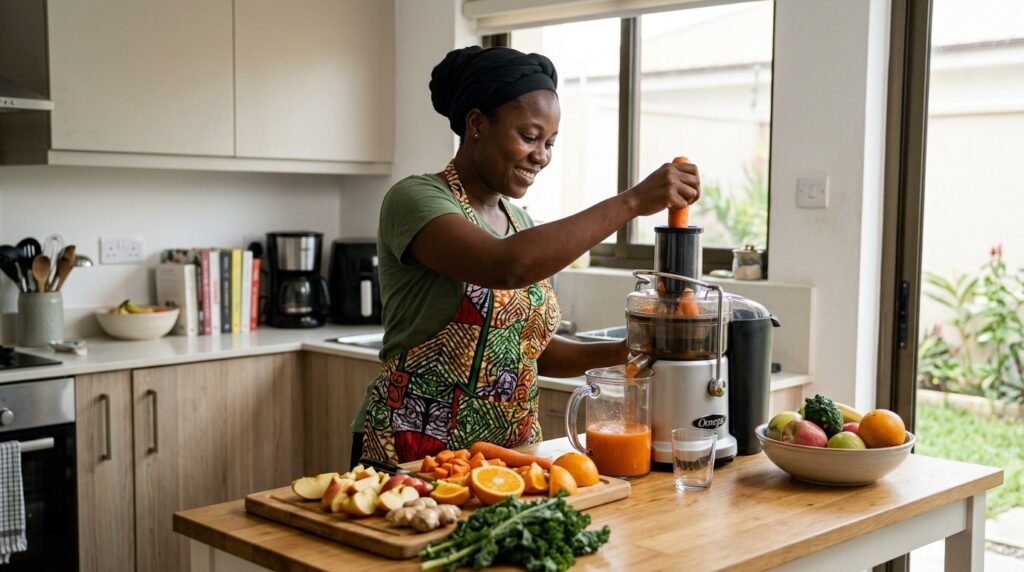
These instructions apply across all seven recipes. Ingredient quantities per recipe follow below.
- Wash all produce thoroughly. This step matters more with juicing than cooking because nothing is heated. Scrub root vegetables — beet, ginger, turmeric — under running water with a brush.
- Cut produce to fit the juicer feed chute. Most centrifugal juicers accept two-inch pieces comfortably. Larger pieces can stall the machine. Peel citrus, beets if preferred, and ginger. Leave cucumber, apple, and celery unpeeled unless the recipe notes otherwise.
- Juice in order from lowest to highest water content. Leafy herbs and ginger go first. Then dense vegetables — beet, celery, cucumber. Then fruit. This sequence pushes the drier ingredients through the machine with the liquid from the fruit, improving yield.
- Add fresh citrus juice after juicing. Squeeze lemon or lime directly into the finished juice and stir. This preserves the sharpness of the acid. Juiced citrus loses its brightness within minutes of processing.
- Taste before serving. Add more citrus if the juice tastes flat. Add a small amount of coconut water or plain water if it is too concentrated. These adjustments take thirty seconds and are worth making.
- Pour over ice in a tall glass. Drink immediately for maximum freshness and vitamin content.
The Seven Recipes:
- Watermelon Mint Cooler: 4 cups watermelon, small handful fresh mint, juice of 1 lime. Light and immediately refreshing.
- Cucumber Ginger Lemonade: 2 cucumbers, 1-inch fresh ginger, juice of 2 lemons, half cup water. The most hydrating of the seven.
- Beet, Apple, and Turmeric: 2 medium beets, 2 green apples, 1-inch fresh turmeric, juice of half a lemon. Earthy, sweet, and visually striking.
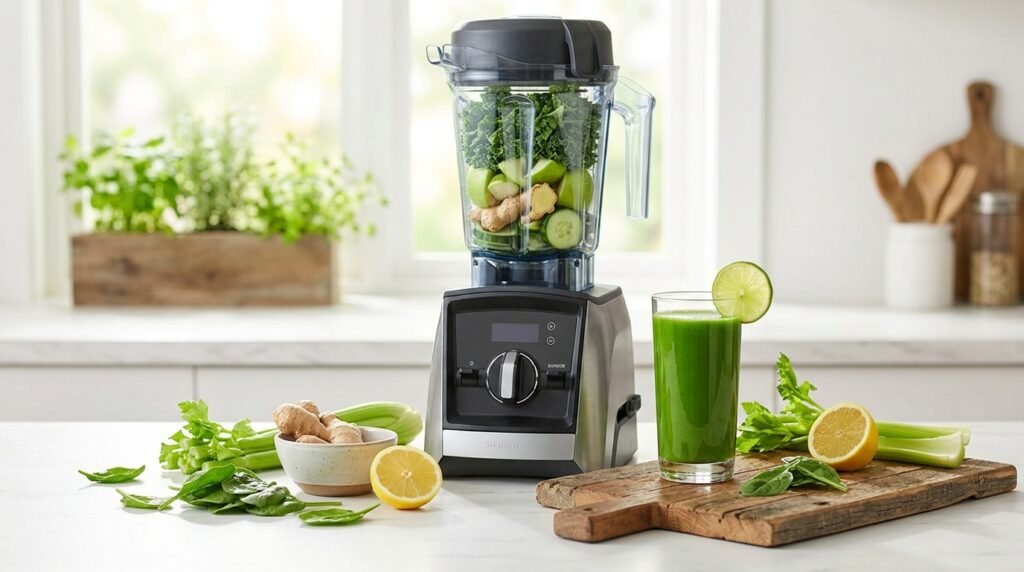
- Green Detox Juice: 2 cucumbers, 2 green apples, 4 celery stalks, 1-inch ginger, juice of 1 lemon. The most vegetable-forward recipe here.
- Celery, Apple, and Ginger: 6 celery stalks with leaves, 2 green apples, 1-inch ginger, half cup coconut water. Mineral and clean.
- Watermelon Pineapple Refresher: 3 cups watermelon, 1 cup pineapple, juice of 1 lime. The simplest recipe and among the most appealing to a wide range of palates.
- Pineapple Ginger Mint: 2 cups pineapple, 1.5-inch ginger, small handful mint, half cup coconut water. The warmest and most complex of the seven.
A Few Things Worth Knowing
Drink it within 15 minutes for peak nutrition. Fresh juice oxidizes quickly after pressing. Vitamin C degrades on exposure to air and light. If you make it ahead, store it in a full, sealed container in the refrigerator — full meaning no air gap — and consume within 24 hours.
This step is easy to skip. Don’t: tasting before you pour. A juice that tastes flat is almost always missing acid. Half a lemon added at the end corrects more problems than any other single adjustment.
Juice beet last if you are using a centrifugal juicer. Beet is dense and high in pigment. Juicing it first stains the machine basket and requires more cleanup between recipes. Juicing it last, followed by apple or cucumber, flushes the pigment through.
Cold produce juices better than room-temperature produce. Refrigerated fruit and vegetables retain more juice under pressure and produce a colder finished product that does not require as much ice. Start with cold ingredients when possible.
The pulp is not waste. Beet and carrot pulp can go into baked goods or veggie burgers. Cucumber and celery pulp can be composted or added to cold soups. Apple pulp works in overnight oats. None of it has to go directly in the bin.
A blender produces more fiber than a juicer. If you use a blender and strain loosely — or do not strain at all — the resulting drink is closer to a smoothie in nutritional profile. More filling, slightly thicker, higher in fiber. Both approaches are valid and produce different results intentionally.
How to Serve It
In a tall glass over ice, served immediately.
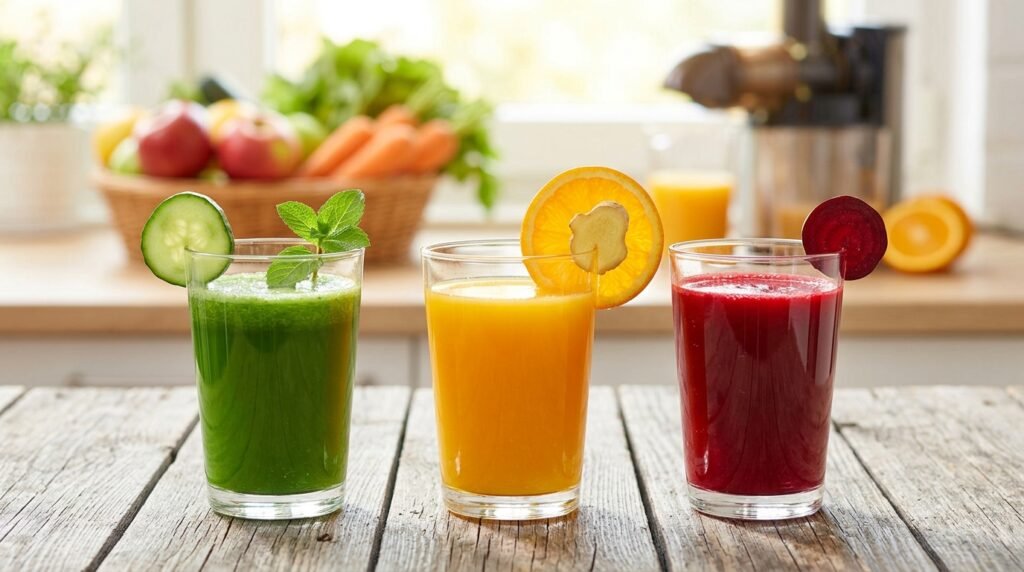
The beet and turmeric recipe is visually the most striking — deep magenta, worth serving in a clear glass where the color is visible.
A slice of cucumber on the rim of the cucumber ginger lemonade. A wedge of watermelon alongside the watermelon recipes. These details take ten seconds and communicate the contents clearly.
These work alongside a light breakfast — plain yogurt, toast, a soft-boiled egg — where the juice provides the fruit and vegetable component without competing with food that requires focus.
The pineapple ginger mint recipe, served at room temperature, is a reasonable mid-afternoon alternative to coffee for those looking for one.
Worth Noting Nutritionally
Fresh juice provides vitamins, minerals, and naturally occurring plant compounds in concentrated, bioavailable form. Watermelon is high in lycopene and citrulline. Beet contains nitrates associated with improved blood flow. Ginger has documented anti-nausea and anti-inflammatory properties. Celery is high in vitamin K and potassium. Pineapple contains bromelain, a digestive enzyme.
Juicing removes most dietary fiber from produce. That is a meaningful distinction from eating whole fruit and vegetables. The nutrients are present; the fiber is largely not. For fiber alongside these juices, eat whole produce separately or use the blender-and-strain-loosely method described above.
These recipes contain no added sugar. The sweetness comes entirely from fruit. The green detox and celery apple recipes are the lowest in natural sugar; the watermelon pineapple refresher is the highest.
All seven recipes are naturally vegan, gluten-free, and dairy-free. No modifications are required for any common dietary restriction.
A Few Questions
Do I need a juicer or can I use a blender? A blender works for all seven recipes. Add a small amount of water — two to four tablespoons — to help the blender process dense ingredients like beet and ginger. Blend on high for sixty to ninety seconds, then strain through a fine mesh strainer or nut milk bag, pressing firmly to extract liquid. The yield is slightly lower than a juicer but the nutritional content is comparable, and the fiber content is higher if you strain loosely.
How long does fresh juice keep? Up to 24 hours refrigerated in a sealed container with minimal air gap. Fill the container as fully as possible — oxygen is what degrades the juice fastest. Mason jars work well for this reason. Beyond 24 hours the flavor dulls, the color changes, and the vitamin content drops meaningfully. Make fresh each day for best results.
Can I add sweetener if the juice tastes too bitter or sour? A small amount of raw honey or pure maple syrup dissolves easily into fresh juice and adjusts the balance without overpowering it. Start with half a teaspoon, stir, and taste again. The green detox and celery apple recipes are the most likely to need this adjustment depending on personal preference. A Medjool date blended into the base before straining is another option that adds sweetness and a small amount of fiber.
My juicer produces very little liquid from some vegetables. Why? Water content varies significantly by ingredient and by the freshness of the produce. Celery and cucumber are high-yield; beet and ginger are lower-yield and need higher-water ingredients alongside them to extract well. Produce that has been stored for several days also yields less juice than very fresh produce. Buy produce as close to juicing day as possible, and alternate dense and high-water ingredients in the feed chute rather than loading all the dense ones together.
Pick one recipe for tomorrow morning. The rest will follow when they are ready.