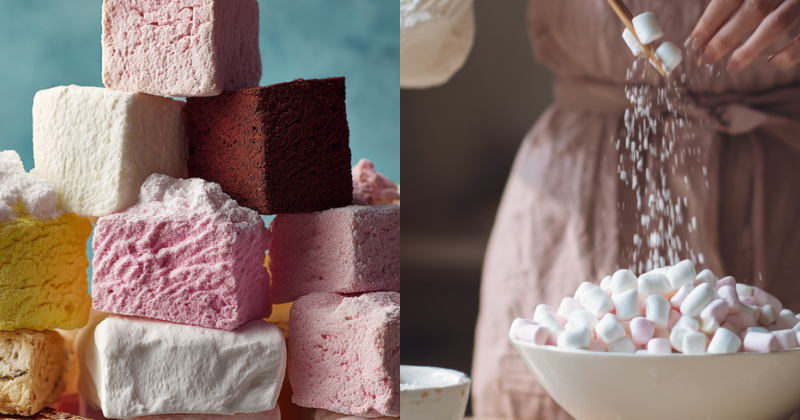
A good fire deserves more than a bag of store-bought marshmallows on a stick.
These 10 must-have marshmallow recipes for 2026 campfires range from homemade marshmallows worth making the day before you leave to campfire constructions that take five minutes and justify the drive out. Some are built entirely at the fire. Others start in a kitchen and finish outdoors. All of them are better than the default. The through-line is the same across all ten: a marshmallow, handled with a little intention, produces something genuinely worth eating.
Prep time: 5–30 minutes depending on recipe | Cook/fire time: 3–10 minutes | Total time: varies | Servings: 8–12 per recipe
What Makes It Worth Making
- The campfire is already doing the work. These recipes meet it halfway.
- Homemade marshmallows take forty minutes of active time and produce a result that is categorically different from the bag. The difference is worth knowing about.
- Most of these recipes pack flat and travel well. No special equipment required beyond what a camp kitchen already has.
- Ten variations means a different fire-side dessert every night of a long trip without repetition.
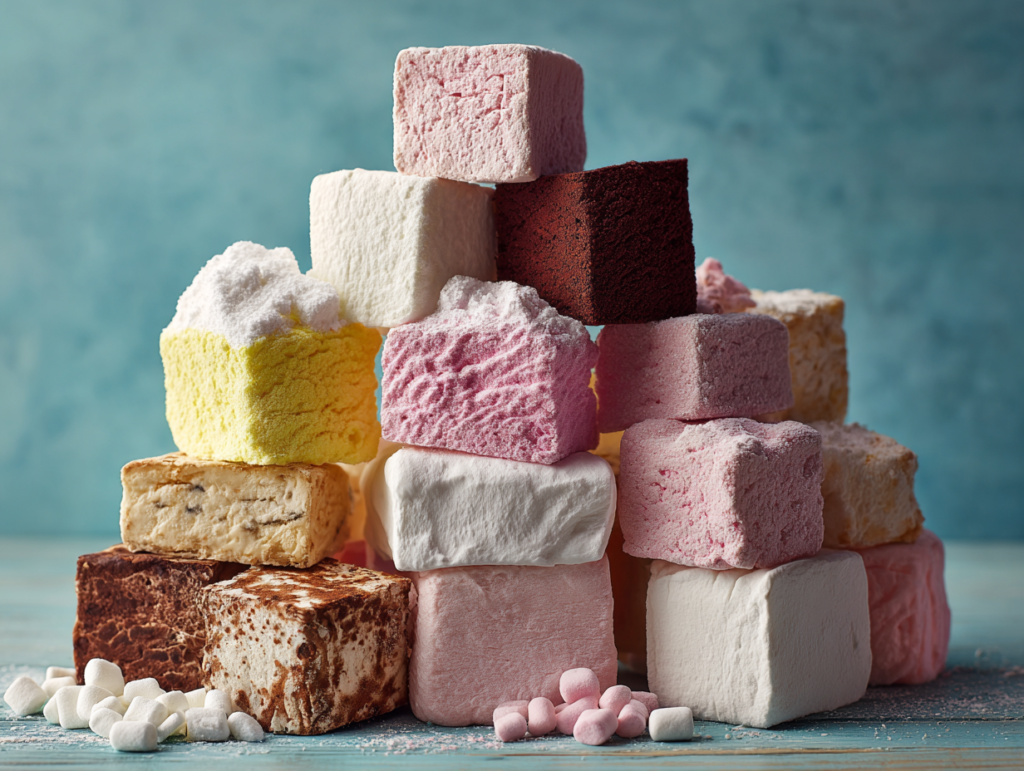
The Ingredients
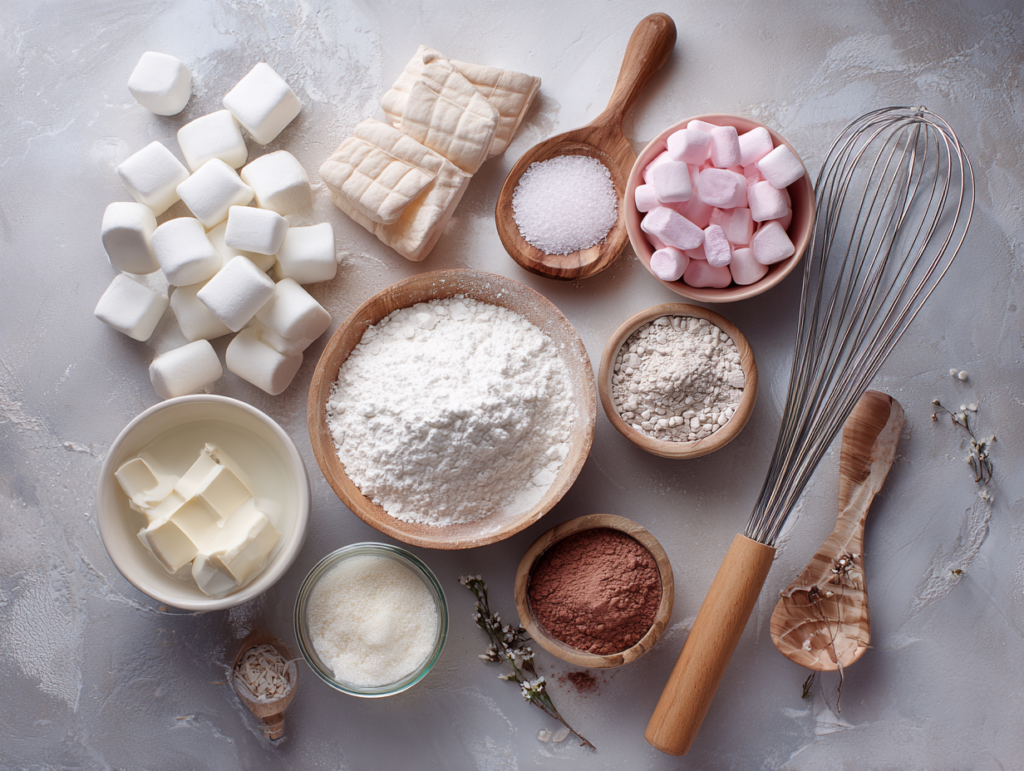
Unflavored powdered gelatin, 3 packets (21g total, for homemade marshmallows): The structural ingredient. Gelatin creates the elastic, airy network that gives a marshmallow its texture. Bloom it in cold water before use — adding it directly to hot liquid produces lumps that do not dissolve. Substitution: agar-agar for a vegan marshmallow, used at three-quarters the quantity. The texture is slightly firmer and less elastic but holds up well to heat.
Granulated sugar, 2 cups (homemade marshmallows): Cooked to the soft-ball stage — 240°F — before being whipped with the gelatin. The temperature is not a suggestion. Under-cooked sugar produces a sticky, dense marshmallow that does not set. A candy thermometer is the correct tool here.
Light corn syrup, half cup: Prevents the sugar syrup from crystallizing during cooking. Substitution: golden syrup works directly in place. Honey substitutes at the same quantity but contributes its own flavor, which changes the marshmallow noticeably — not unpleasantly, but deliberately.
Cold water, three-quarters cup total: Split between blooming the gelatin and cooking the sugar syrup. The water in the syrup cooks off; what remains is concentrated sugar. This is why the ratio matters.
Vanilla extract, 2 tsp: The baseline flavor in classic marshmallows. Added after whipping, when the mixture has cooled enough not to cook off the volatile aromatics. Substitution: almond extract, peppermint extract, or bourbon each produce a distinct marshmallow worth making intentionally.
Powdered sugar and cornstarch, equal parts (for dusting): Applied to the pan and the finished marshmallow to prevent sticking. The cornstarch absorbs surface moisture; the powdered sugar provides a dry, neutral coating. Neither alone is as effective as the combination.
Graham crackers (for s’mores variations): The structural base in four of the ten recipes. Full sheets break cleanly in half. Honey graham crackers are the standard; cinnamon graham crackers suit the spiced marshmallow recipe; chocolate graham crackers work against the classic in a way that reads as too much.
Dark chocolate, 70% or higher, 8 oz total across recipes: Broken into squares or roughly chopped. Better chocolate produces a better s’more. This is one of the few situations where the quality of a single ingredient changes the result noticeably at every quality level.
Butter, unsalted, 2 tbsp (several campfire recipes): Used in cast iron applications — the banana boat, the skillet brownie s’more — where something needs to cook in the pan rather than directly over the fire.
Kosher salt, pinch: Added to the homemade marshmallow whip and to any chocolate component. Salt makes sweetness more interesting. It is present in small amounts across most of these recipes and its absence would be felt.
Variation-specific ingredients noted within each recipe below.
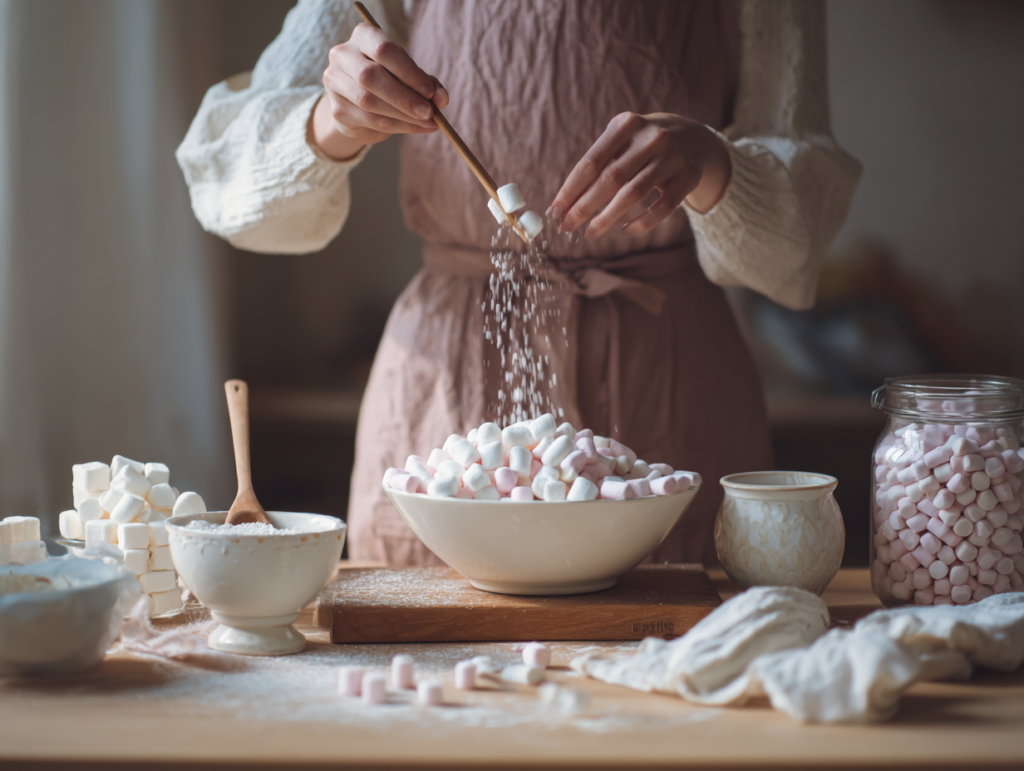
How to Make It
For homemade marshmallows (make ahead, day before):
- Bloom the gelatin. Combine three packets of gelatin with half cup cold water in the bowl of a stand mixer. Let sit undisturbed for ten minutes. The gelatin will absorb the water and become a firm, opaque mass.
- Cook the sugar syrup. Combine sugar, corn syrup, remaining quarter cup water, and a pinch of salt in a medium saucepan over medium-high heat. Stir until the sugar dissolves, then stop stirring. Clip a candy thermometer to the side. Cook without stirring until the syrup reaches 240°F — soft-ball stage. This takes eight to ten minutes. Watch the thermometer rather than the clock.
- Stream the hot syrup into the gelatin. With the mixer running on low, pour the hot syrup in a slow, steady stream down the side of the bowl — not directly onto the whisk, which splashes. Once all the syrup is in, increase speed to high.
- Whip for ten to twelve minutes until the mixture is thick, white, and holds soft peaks. The bowl should feel warm but not hot to the touch. Add vanilla in the last minute of whipping.
- Pour into a prepared pan. Use a 9×13 pan dusted generously with the powdered sugar and cornstarch mixture. Spread evenly with an oiled spatula. Dust the top. Let set uncovered at room temperature for a minimum of four hours — overnight is better.
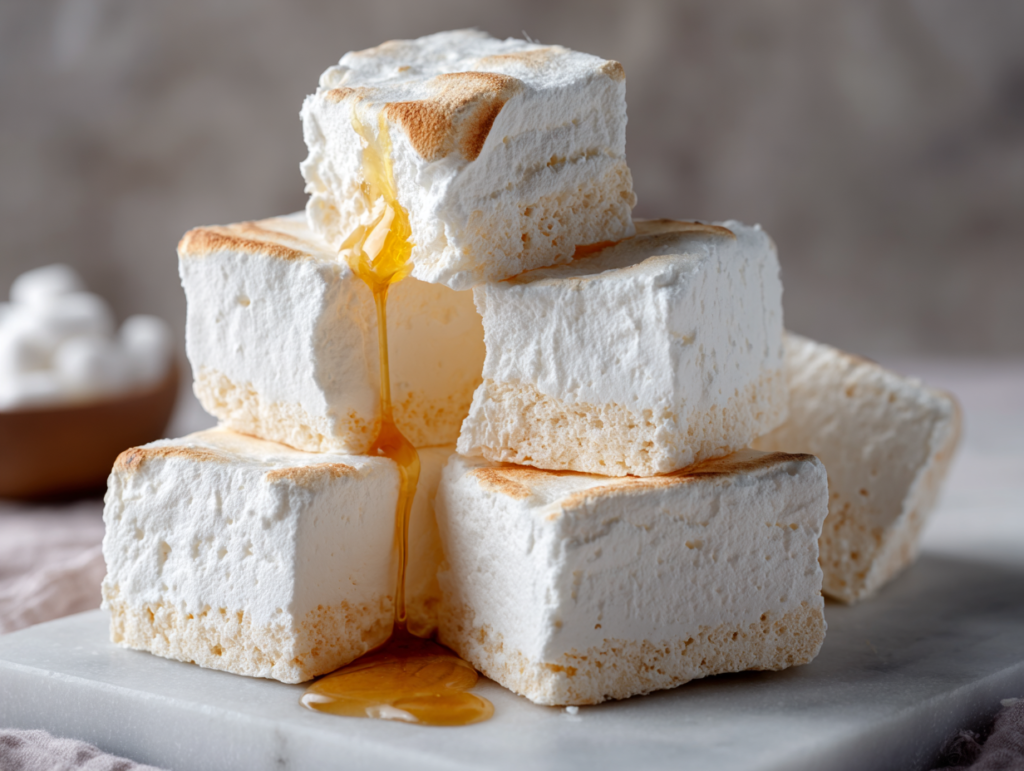
- Cut into squares. Use an oiled knife or oiled kitchen scissors. Toss cut pieces in additional powdered sugar mixture to coat all sides. Store in an airtight container with parchment between layers.
At the campfire — the ten recipes:
- Classic Toasted S’more: Homemade or store-bought marshmallow toasted over coals to deep amber, sandwiched between graham crackers with a square of dark chocolate.
- Salted Caramel S’more: Add a small square of soft caramel candy alongside the chocolate before sandwiching. Finish with a pinch of flaky sea salt on top.
- Peanut Butter S’more: Spread a thin layer of peanut butter on one graham cracker half before assembling. The peanut butter softens against the hot marshmallow.
- Banana Boat: Split a banana lengthwise through the peel, stuff with mini marshmallows and chocolate chips, wrap tightly in foil, and set directly on coals for eight minutes. Open carefully.
- Campfire Rocky Road Skillet: Melt two tablespoons butter in a cast iron skillet over the fire. Add one cup mini marshmallows, half cup chocolate chips, and quarter cup roughly chopped walnuts. Stir until melted and serve with graham crackers for dipping.
- Spiced Marshmallow S’more: Use cinnamon-flavored homemade marshmallows — add one teaspoon cinnamon and quarter teaspoon cardamom to the whip — with cinnamon graham crackers and milk chocolate.
- Nutella S’more: Replace the chocolate square with a generous spread of Nutella on both graham cracker halves. The hazelnut and cocoa combination with a toasted marshmallow needs no improvement.
- Campfire Marshmallow Dip: Melt dark chocolate in a small cast iron pan set beside the fire — not directly over the flame. Toasted marshmallows dipped directly into the chocolate, then back to the crackers.
- Brown Butter Krispie Squares: Made in a camp pot — brown two tablespoons butter until nutty and amber, add four cups mini marshmallows and stir until melted, fold in six cups rice cereal, press into a foil-lined container. Set and slice.
- Marshmallow-Stuffed Campfire Orange: Cut the top off an orange, hollow it out, fill with brownie batter (pre-mixed at home in a zip bag), top with mini marshmallows, replace the top, wrap in foil, and set on coals for fifteen to twenty minutes.
A Few Things Worth Knowing
Homemade marshmallows are better toasted than store-bought. The exterior caramelizes more evenly and the interior stays soft longer over heat. If you make one thing before the trip, make these.
This step is easy to skip. Don’t: dusting the pan and the finished marshmallow surface generously before cutting. Under-dusted marshmallows stick to everything — the knife, each other, the container. More powdered sugar mixture than feels necessary is the correct amount.
Toast over coals, not open flame. Direct flame chars the outside before the interior warms. Coals produce even, radiant heat that toasts the marshmallow through. Patience with the fire position produces a better marshmallow than speed.
The banana boat is better with slightly underripe bananas. Very ripe bananas turn to mush in the foil. A banana that is just yellow — not spotted — holds its shape and provides more texture contrast against the melted fillings.
Pack the homemade marshmallows well. They absorb moisture from humid air and become sticky on the surface if exposed. An airtight container with extra powdered sugar dusted between layers prevents this entirely.
Cast iron at a campfire runs hot. The rocky road skillet and the marshmallow dip come together faster than expected. Set the pan beside the fire, not directly over the hottest coals, and stir constantly. Both go from perfect to scorched quickly.
How to Serve It
At the fire, in hands, on a stick. These are not plated desserts.
The rocky road skillet and the marshmallow dip are the exceptions — set them on a flat surface near the fire with crackers alongside and let people serve themselves.
The campfire orange is the most visually interesting of the ten. Unwrap it at the table and let people see the puffed marshmallow top before cutting in.
A thermos of good hot chocolate alongside anything chocolate-forward. Black coffee alongside the banana boat and the spiced marshmallow — the bitterness works against the sweetness cleanly.
Nothing needs a plate. That is part of the point.
Worth Noting Nutritionally
Marshmallows are primarily sugar and gelatin. That is accurate and honest. The homemade version contains fewer additives than commercial marshmallows, which typically include tetrasodium pyrophosphate and artificial flavors. Whether that distinction matters is a personal call.
Dark chocolate — used across several recipes here — contains flavanols and contributes iron and magnesium in modest amounts. Nuts in the rocky road provide protein and healthy fat. Bananas provide potassium and fiber even after campfire cooking.
For vegan marshmallows, agar-agar replaces gelatin directly. The texture is slightly different — firmer when cold, less elastic when warm — but the toasting behavior over a campfire is comparable. Use the same quantity of agar in powder form as you would gelatin.
For reduced sugar, the campfire orange recipe with a lower-sugar brownie batter and omitted marshmallow topping is the most modifiable recipe in the list. The banana boat without chocolate chips and with fewer marshmallows is simply a warm banana — still worth eating.
A Few Questions
How far ahead can I make homemade marshmallows? Up to two weeks, stored in an airtight container at room temperature with generous powdered sugar coating between layers. They do not benefit from refrigeration — cold makes them sweat and become sticky on the surface. Make them two days before the trip and pack them in a rigid container to prevent crushing.
My marshmallow mixture is not setting. What went wrong? Almost always the sugar syrup did not reach 240°F. An undercooked syrup does not have enough concentrated sugar to set the gelatin structure properly. The mixture will stay sticky and soft rather than firming into a cuttable slab. A candy thermometer is the reliable fix — visual cues alone are not precise enough for sugar work.
Can I use a campfire grill grate instead of a stick for toasting? Yes, with a wire mesh or fine grill grate that will hold the marshmallow without it falling through. Place marshmallows on the grate set above glowing coals rather than active flame. Turn once using tongs. The result is a more evenly toasted surface than stick-toasting, with less risk of the marshmallow falling into the fire. It is less traditional and more practical.
What if I do not have a cast iron pan at camp? A heavy-duty foil packet replaces cast iron for most applications. The rocky road skillet can be assembled in a double layer of heavy foil, crimped at the edges, and set on a flat rock near the coals — check it every two minutes. The banana boat is already a foil recipe. The marshmallow dip works in a small foil cup set beside the fire. Improvisation at a campfire is expected and fine.
Pack the marshmallows. Build the fire. The rest follows naturally.