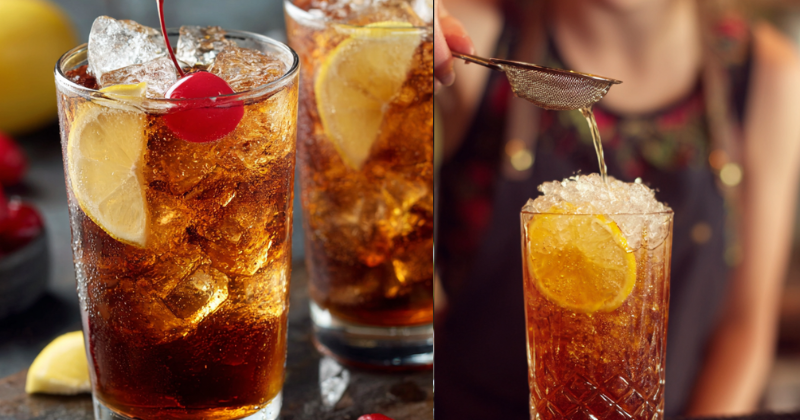
Five minutes. That is all this takes. Long Island Iced Tea recipes have a reputation for complexity, but the formula is simple once you understand it.
This is not a drink that needs fussing over. It needs balance — equal parts of five spirits, a splash of triple sec, a pour of sour mix, and a finish of cola. The Long Island Iced Tea recipe works because every element has a role. Nothing is decorative. Pull it together well and you have the definitive summer cocktail: cold, layered, quietly strong, and far more elegant than its reputation suggests.
Prep time: 5 min | Cook time: 0 min | Total: 5 min | Serves: 1 (scales easily)
What Makes It Worth Making
- Five spirits, one result. The combination works because no single alcohol dominates — they blend into something that tastes almost nothing like any of them individually.
- The build is fast. Five minutes is not an exaggeration. Once you know the ratios, you do not need to measure twice.
- It scales without thinking. Multiply everything by eight and you have a pitcher. The math holds.
- The finish is the trick. A short pour of cola at the end is what makes it look — and taste — like iced tea. That detail matters.
The Ingredients
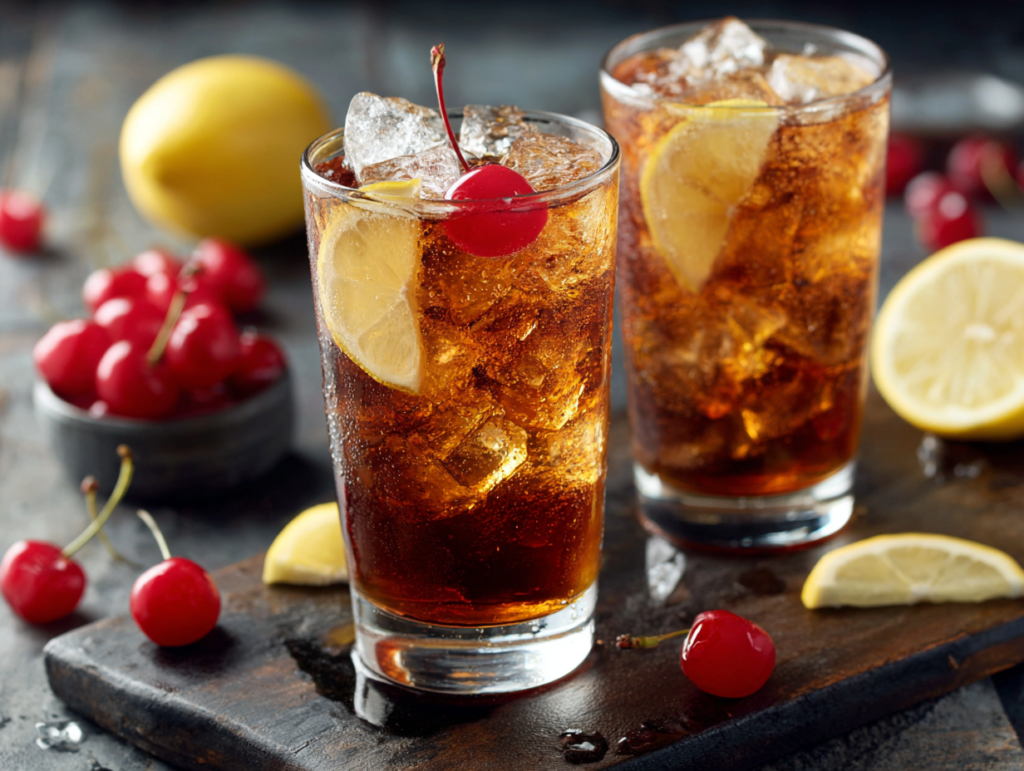
A classic Long Island Iced Tea recipe calls for precision in proportion, not in brand. Use mid-shelf spirits. Top-shelf is wasted here.
- Vodka, ½ oz — the neutral backbone; any clean, unflavored vodka works
- White rum, ½ oz — adds faint sweetness; a light rum keeps the color pale
- Silver tequila, ½ oz — earthy undertone; blanco only, not aged
- Gin, ½ oz — botanical lift; a London dry style integrates cleanly
- Triple sec, ½ oz — orange sweetness and a slight bitter edge; Cointreau works; so does a standard generic
- Fresh lemon juice, ¾ oz — brightness and acidity; bottled sour mix is a reasonable substitute, though fresh is noticeably better
- Simple syrup, ¾ oz — balance; make it at home with equal parts sugar and water, simmered and cooled
- Cola, a short splash — color and finish; enough to suggest tea, not enough to dilute
- Ice — essential, not optional; the drink needs to be very cold
- Lemon wheel or wedge — garnish; serves a purpose visually and adds a small hit of citrus on the nose
On substitutions: The lemon juice and simple syrup together function as homemade sour mix. If you are using a pre-made sour mix, replace both with 1 ½ oz of it. The flavor will be slightly sweeter and less sharp — acceptable, not ideal.
How to Make It
- Fill a cocktail shaker with ice. It should be full. A cold shaker makes a cold drink.
- Add the vodka, rum, tequila, gin, and triple sec — all ½ oz each.
- Add the lemon juice and simple syrup.
- Seal the shaker. Shake firmly for 10 to 15 seconds. You will feel the shaker get cold in your hand. That is the cue.
- Fill a highball or pint glass with fresh ice. Do not reuse the shaker ice — it has diluted.
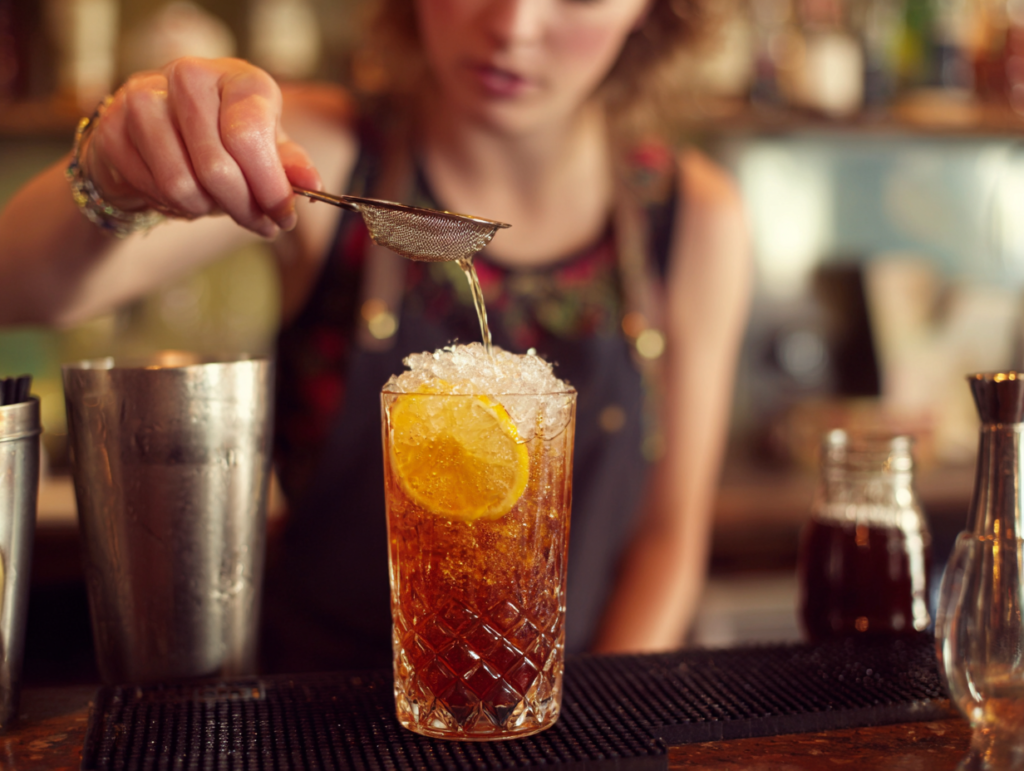
- Strain the shaker contents over the fresh ice.
- Add a short pour of cola — no more than 1 oz. Tilt the glass and pour slowly down the side to preserve the layers briefly.
- Garnish with a lemon wheel placed on the rim or dropped in. Serve immediately.
The drink should be pale amber, close to the color of actual iced tea. If it looks dark, the cola pour was too heavy.
A Few Things Worth Knowing
Measure every spirit. This step is easy to skip. Do not. The Long Island Iced Tea recipe is built on equal parts — free-pouring any one spirit throws off the balance, and you will taste it.
Fresh lemon juice is worth the extra minute. Bottled lemon juice is fine. Fresh is better. The difference in brightness is noticeable, especially in a drink this simple.
The cola is a finish, not a filler. A common mistake is adding too much. The cola should hint at iced tea — not make the drink taste like a rum and Coke. One slow pour, stopped early, is the move.
Very cold is not cold enough. Ice cold is the standard. Shake hard. Use fresh ice in the glass. This drink should be almost uncomfortably cold to hold. That is correct.
Make a pitcher for a crowd. Multiply every ingredient by eight or ten, combine in a pitcher without ice, and refrigerate until ready. Pour over ice per glass. Add cola only at serving — not into the pitcher, or it goes flat.
Do not make it ahead with cola. Everything except the cola can sit refrigerated for hours. The cola goes in last, always. Carbonation does not survive storage.
How to Serve It
The Long Island Iced Tea is a standalone drink. It does not need a pairing to justify itself. That said, a few things sit alongside it well.
Light food works best. Salted snacks — chips, pretzels, olives — complement the acidity without competing. Grilled shrimp or chicken skewers hold up to the drink without being overwhelmed by it. Avoid anything sweet alongside it; the drink already carries sweetness of its own.
For presentation, a highball glass is standard. A pint glass works and signals a more casual pour. Serve with a paper straw if the garnish is a lemon wheel — it keeps the visual clean.
If you are serving a group, pre-batch the spirits and sour mix in a glass pitcher with a few lemon slices. Keep it cold. Let people pour their own cola. It becomes its own small ritual.
Worth Noting Nutritionally
A standard Long Island Iced Tea recipe contains approximately 220 to 280 calories per serving, depending on the sour mix used and the amount of simple syrup. The alcohol content is notable — five half-ounce pours of standard spirits put this drink at roughly 1.5 to 2 standard drink equivalents. It drinks lighter than it is.
For a lower-sugar version, reduce the simple syrup to ½ oz and use a diet cola. The flavor holds reasonably well. For a lower-ABV version, reduce each spirit pour to ¼ oz and increase the lemon juice slightly — the drink will be lighter but will lose some of its character.
There is no non-alcoholic version of this that honestly earns the name. A virgin alternative built on black tea, lemon juice, and cola is a different, perfectly fine drink — just not a Long Island Iced Tea.
A Few Questions
Can I make Long Island Iced Tea recipes in large batches? Yes, and it is one of the better cocktails for batching. Combine all spirits, triple sec, lemon juice, and simple syrup in a pitcher or large jar. Stir well, cover, and refrigerate for up to 24 hours. When serving, pour over ice and add a short splash of cola to each glass individually. Do not add the cola to the batch — it will go flat and muddy the flavor.
What is the best cola to use? A standard, full-sugar cola is the traditional choice. It provides the right color and just enough sweetness. Diet cola works and reduces sugar content; the flavor is slightly thinner but acceptable. Avoid flavored colas — vanilla, cherry, or citrus varieties push the drink in a direction it does not need to go.
Can I swap any of the five spirits? The drink is more flexible than its classic formula suggests. Swapping the white rum for coconut rum adds a tropical note that works in summer. Replacing the gin with a second measure of vodka produces a cleaner, slightly less complex drink. What you cannot easily swap is the triple sec — it provides both sweetness and the orange lift that ties the other spirits together. If you do not have it, a small amount of orange juice is a rough substitute, though the flavor changes noticeably.
How strong is it, really? Stronger than it tastes. Five half-ounce pours of spirits at 40% ABV, shaken and diluted slightly with ice and cola, still produce a drink that is meaningfully alcoholic. The lemon and cola mask the alcohol well, which is part of the drink’s appeal and part of what makes it worth approaching with some awareness. One is usually enough.
Make it once and the ratios become instinct — after that, it is just five minutes and a good summer evening.