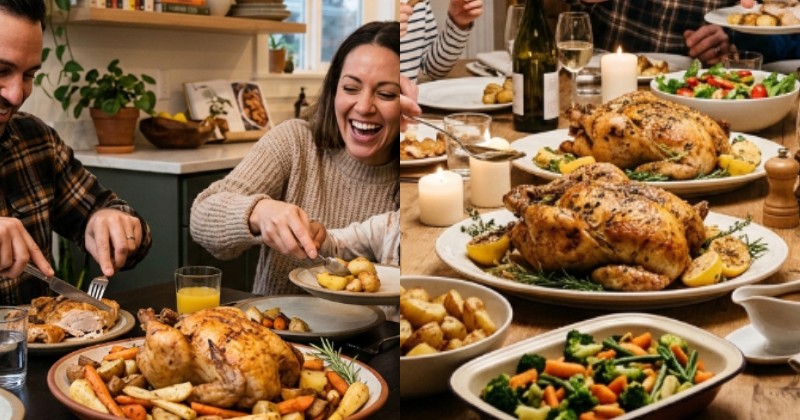
The One Dinner Recipes Trick Chefs Keep Secret for Quick Meals — The Method Behind the Speed
Heat a pan properly before anything goes in. That single habit separates a competent home cook from one who wonders why restaurant food tastes different.
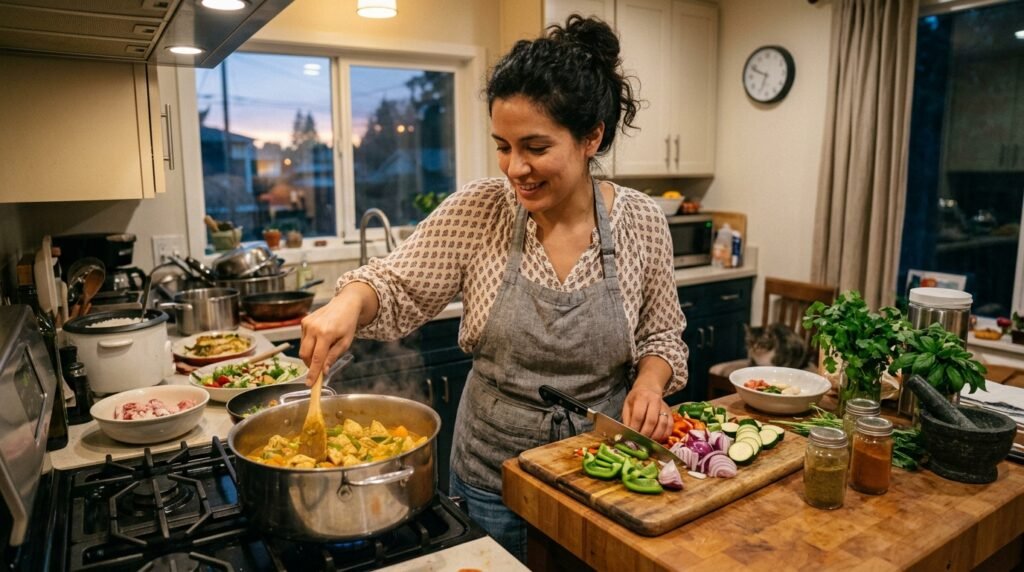
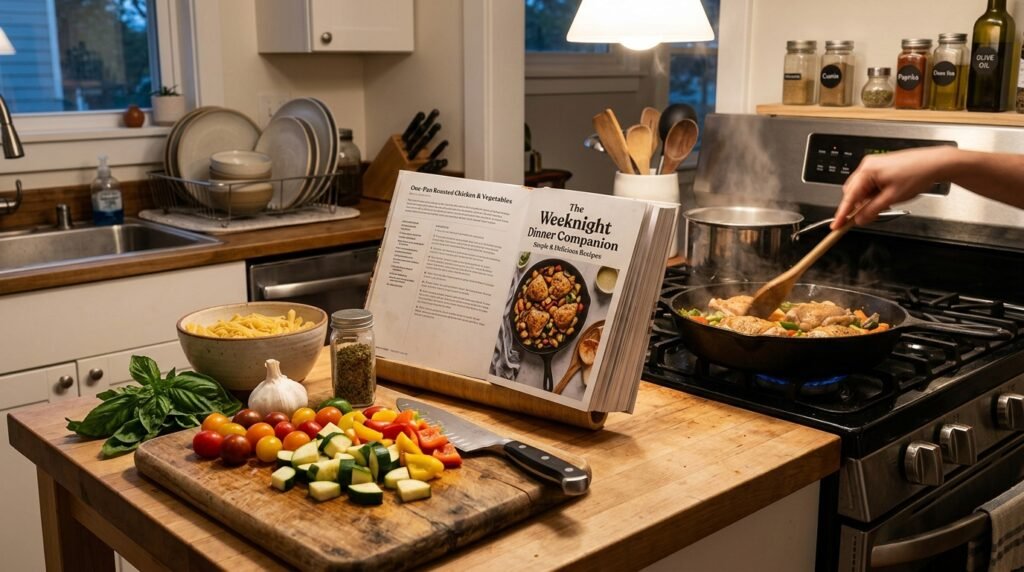
The dinner recipes trick professional cooks rely on for quick meals is not a single technique — it is a sequence of decisions made before cooking begins. Chefs do not move faster than home cooks. They move more deliberately, and earlier. The prep is complete before the first burner lights. The pan is hot before the protein touches it. The sauce components are within reach before the garlic hits the oil. This article breaks down that approach through four weeknight dinner recipes that use it directly — each one fast not because it cuts corners but because nothing is left to chance.
What Makes It Worth Making
- The speed is real. Each recipe comes together in 35 minutes or less when the prep habit is in place.
- The method transfers. Learn it once on one recipe and every quick dinner recipe you make after that benefits.
- The ingredients are ordinary. The technique is what does the work.
- Nothing here requires special equipment. A heavy pan, a sharp knife, and a cutting board are enough.
The Ingredients
These four recipes share a common pantry. The list below covers the full set.
Olive oil: Used as both cooking fat and finishing oil — two different functions. The cooking oil takes heat. The finishing oil provides flavor. Keep them separate in your mind.
Unsalted butter: Added at the end of pan sauces, off the heat. It emulsifies into something glossy rather than greasy. Salted butter works but makes seasoning harder to control.
Garlic: The quantity matters less than the cut. Sliced garlic is mellow and sweet when cooked slowly. Minced garlic is sharper and more intense. Decide before you start.
Shallots: Milder than onion, faster to cook. Dice them fine and they disappear into a sauce in three minutes. A useful weeknight shortcut.
Chicken thighs, boneless skin-on (4 pieces): Forgiving of timing variation. The fat content keeps them moist even when dinner is running two minutes longer than planned. Bone-in works with an adjusted cook time.
Spaghetti or rigatoni (400g): The pasta shape is a real decision. Rigatoni catches chunky sauces. Spaghetti suits oil-based and lighter ones. Both work across these recipes.
Canned whole tomatoes (one 28 oz can): Crush by hand before they go into the pan. The texture is better than pre-crushed, and the liquid releases more slowly.
White wine (dry, 1/2 cup): Used to deglaze pans and build quick sauces. A wine worth drinking is a wine worth cooking with. Substitute chicken stock if preferred — the result is less bright but still good.
Heavy cream (1/4 cup): Used sparingly in one sauce. It rounds acidity and adds body without overwhelming.
Lemon: Zest goes in early for baked applications. Juice goes in at the very end — after heat is off — to preserve brightness. Both are different ingredients in practice.
Fresh parsley: Chopped and added off heat. Heat turns it dull. Add it at the last possible moment.
Parmesan (finely grated): Stirred into pasta off heat to avoid clumping. The finer the grate, the smoother the result.
Kosher salt: Used throughout — not just at the end. Season pasta water until it tastes like mild seawater. Season protein before it hits the pan.
How to Make It
Recipe 1: One-Pan Lemon Garlic Chicken Thighs
Prep time: 8 minutes | Cook time: 26 minutes | Total: 34 minutes | Serves: 2–3
Ingredients:
- 4 boneless skin-on chicken thighs
- Salt and black pepper
- 1 tablespoon olive oil
- 4 garlic cloves, thinly sliced
- 1/2 cup dry white wine
- 1/2 cup chicken stock
- 1 tablespoon butter
- Zest and juice of 1 lemon
- Fresh parsley to finish
- Pat chicken thighs completely dry with paper towels. Season both sides with salt and pepper. Dry protein is not optional — moisture on the surface creates steam, and steam prevents a sear.
- Heat olive oil in a heavy skillet over medium-high until it shimmers. Place thighs skin-side down. Press gently with a spatula for the first 30 seconds to ensure full contact.
- Cook undisturbed for 14 to 16 minutes. The skin will release from the pan when it is ready. Forcing it early tears the skin and loses the crust.
- Flip. Cook 6 to 8 minutes more. Internal temperature should read 165°F. Remove chicken to a plate and tent loosely.
- Reduce heat to medium. Add garlic to the same pan. Stir 60 seconds.
- Add wine. Scrape every brown bit from the pan floor — this is the flavor base of the sauce. Simmer 2 minutes.
- Add stock. Simmer 3 minutes until slightly reduced. Add butter off heat and swirl until melted. Add lemon juice. Taste for salt.
- Return chicken to the pan briefly, or plate it and spoon the sauce over. Finish with lemon zest and parsley.
Recipe 2: Weeknight Pasta al Pomodoro
Prep time: 5 minutes | Cook time: 25 minutes | Total: 30 minutes | Serves: 2–3
Ingredients:
- 400g spaghetti
- 3 tablespoons olive oil
- 3 shallots, finely diced
- 4 garlic cloves, sliced
- 1 can (28 oz) whole tomatoes, crushed by hand
- Salt and black pepper
- 1/2 teaspoon sugar if needed
- Fresh basil
- Parmesan to finish
- Bring a large pot of heavily salted water to a boil.
- Warm olive oil over medium heat in a wide pan. Add shallots and a pinch of salt. Cook 4 minutes until soft and translucent.
- Add garlic. Stir 1 minute.
- Add crushed tomatoes. Season with salt and pepper. Simmer 15 minutes, stirring occasionally. The sauce will deepen in color and concentrate. Taste — if it is sharp, add half a teaspoon of sugar.
- Cook pasta until 1 minute shy of al dente. Reserve 1 full cup of pasta water before draining.
- Add drained pasta to the tomato sauce. Toss over medium heat, adding pasta water in small amounts until the sauce coats every strand and moves fluidly rather than pooling at the bottom.
- Off heat: add torn basil. Serve with parmesan.
Recipe 3: Quick Creamy Mushroom Pasta
Prep time: 8 minutes | Cook time: 22 minutes | Total: 30 minutes | Serves: 2
Ingredients:
- 300g rigatoni
- 2 tablespoons butter
- 250g cremini mushrooms, sliced
- 2 shallots, diced
- 3 garlic cloves, minced
- 1/2 cup dry white wine
- 1/4 cup heavy cream
- Salt, black pepper
- Fresh parsley and parmesan to finish
- Cook pasta in salted water until 1 minute shy of done. Reserve 1 cup pasta water. Drain.
- While pasta cooks: melt butter in a wide skillet over medium-high. Add mushrooms in a single layer. Do not stir for 3 full minutes. Disturbing them early prevents browning.
- Stir and cook 2 minutes more until golden. Season with salt and pepper. Remove mushrooms and set aside.
- Reduce heat to medium. Add shallots to the same pan. Cook 3 minutes. Add garlic. Stir 1 minute.
- Add wine. Scrape the pan. Simmer 2 minutes.
- Add cream. Stir and simmer 2 minutes until slightly thickened.
- Return mushrooms to the pan. Add drained pasta. Toss, adding pasta water as needed until the sauce is cohesive.
- Off heat: finish with parsley and a generous amount of parmesan.
Recipe 4: Speedy White Bean and Greens Skillet
Prep time: 5 minutes | Cook time: 18 minutes | Total: 23 minutes | Serves: 2–3
Ingredients:
- 3 tablespoons olive oil
- 4 garlic cloves, sliced
- 1/4 teaspoon red pepper flakes
- 1 can (15 oz) white beans, drained and rinsed
- 4 cups greens (spinach, kale, or chard), roughly chopped
- 1/2 cup chicken or vegetable stock
- Salt and pepper
- Lemon juice to finish
- Crusty bread or a fried egg to serve
- Warm olive oil in a skillet over medium. Add garlic and pepper flakes. Cook 3 minutes until garlic is pale gold and fragrant.
- Add white beans. Stir gently and cook 3 minutes, letting them take on some color. Mash roughly one-third of them with the back of a spoon — this thickens the pan sauce without adding anything.
- Add stock. Stir and simmer 4 minutes.
- Add greens in batches, stirring each addition until wilted before adding the next.
- Simmer 3 to 4 minutes until greens are fully tender and the liquid has reduced to a loose sauce.
- Finish with lemon juice and a final drizzle of raw olive oil. Taste for salt.
A Few Things Worth Knowing
A hot pan is the beginning of most things going right. Add oil to a cold pan, heat both together, and you lose the window for a proper sear. Heat the pan first, then add the fat, then add the food.
This step is easy to skip. Don’t. Reserving pasta water before draining takes 10 seconds and saves the dish when the sauce needs adjusting. Pour a mugful before you reach for the colander.
Do not crowd the mushrooms. A pan that is too full traps steam and braising happens instead of browning. Use a wide pan or cook in batches. The extra time is two minutes and the result is entirely different.
Salt the pasta water until it tastes like it means something. Under-salted water produces under-seasoned pasta regardless of how well the sauce is built. This is the one opportunity to season the pasta itself.
The dinner recipes trick compounds. The first time you set everything up before cooking, it feels slow. By the third time, it is faster than the old approach. The habit is the shortcut.
Taste before you serve. Every time. Acid, salt, and heat are adjustable in the final 30 seconds. A squeeze of lemon or a pinch of salt at the end costs nothing and frequently changes everything.
How to Serve It
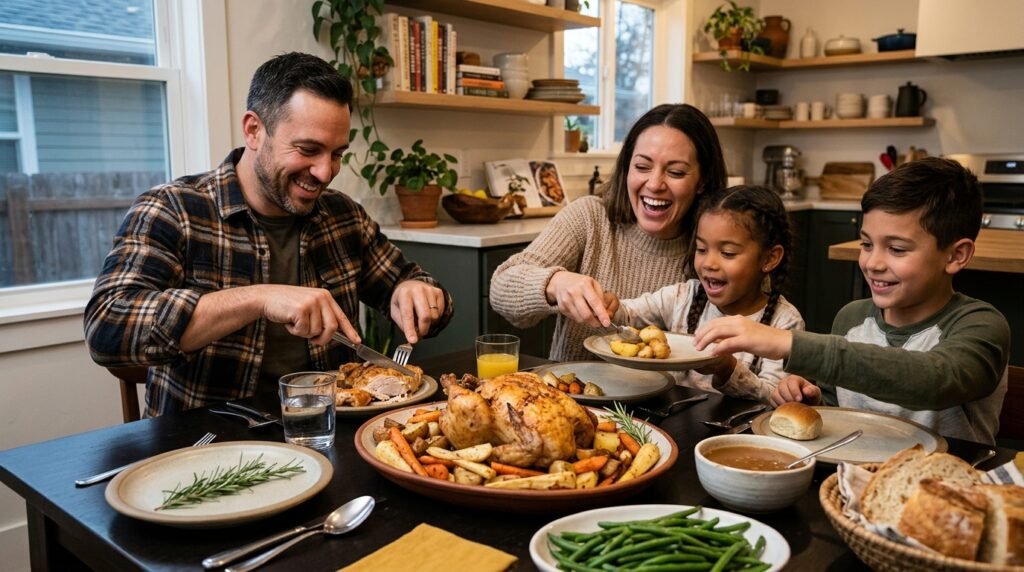
The lemon garlic chicken is complete with roasted vegetables or a simple green salad. Spoon the pan sauce generously — it is the best part.
The tomato pasta needs only parmesan and bread. Anything more competes.
The mushroom pasta is rich enough to stand alone. A glass of dry white wine alongside is the right call.
The white bean skillet is a meal on its own with bread to catch the sauce, or a side dish to almost anything. A fried egg on top makes it dinner in the fullest sense.
For presentation across all four: serve immediately, in warm bowls where possible, with finishing oil or fresh herbs added at the table rather than in the pan.
Worth Noting Nutritionally
The chicken thigh recipes are protein-forward with moderate fat. Removing the skin after cooking reduces fat significantly while retaining the flavor built during searing.
The pasta dishes are carbohydrate-based and best treated as complete meals rather than sides. Adding a protein — a fried egg, white beans, or shredded chicken — increases satiety without complicating the recipe.
The white bean skillet is naturally plant-based and high in both fiber and protein. It is gluten-free as written. Use vegetable stock to make it fully vegan.
The cream in the mushroom pasta can be replaced with additional pasta water and a tablespoon of butter for a lighter result. The texture changes — less rich, more glossy — but the dish holds.
A Few Questions
Can I use chicken breast instead of thighs? Yes, with adjustments. Breast meat is leaner and dries out faster. Reduce the skin-side cook time to 10 minutes and the flip side to 5 to 6, and pull at 160°F internal temperature rather than 165 — carryover heat will finish it. Boneless breast without skin will not produce the same pan fond, which means the sauce will be lighter in flavor.
How far ahead can I prep these recipes? All four benefit from having ingredients prepped up to four hours ahead and refrigerated. Garlic can be sliced, shallots diced, greens washed and chopped. The actual cooking in each case is fast — the prep is where the time goes. Do it early and the weeknight dinner recipes trick works exactly as described.
What do leftovers look like? The chicken keeps well for three days refrigerated and reheats in a covered pan over low heat with a splash of stock. The pasta dishes are best eaten the day they are made — pasta continues to absorb sauce overnight and the texture suffers. The white bean skillet improves by the next day as the flavors settle; reheat gently with a small addition of water or stock.
Do I need a cast iron pan? Not strictly. Any heavy-bottomed skillet works. Stainless steel builds a good fond and handles high heat well. Non-stick pans are convenient but do not sear as effectively and will not produce the same pan sauce base. If you cook these recipes regularly, a stainless or cast iron pan is worth having.
Pick one recipe and make it tonight with everything prepped before the burner goes on — the rest follows from there.